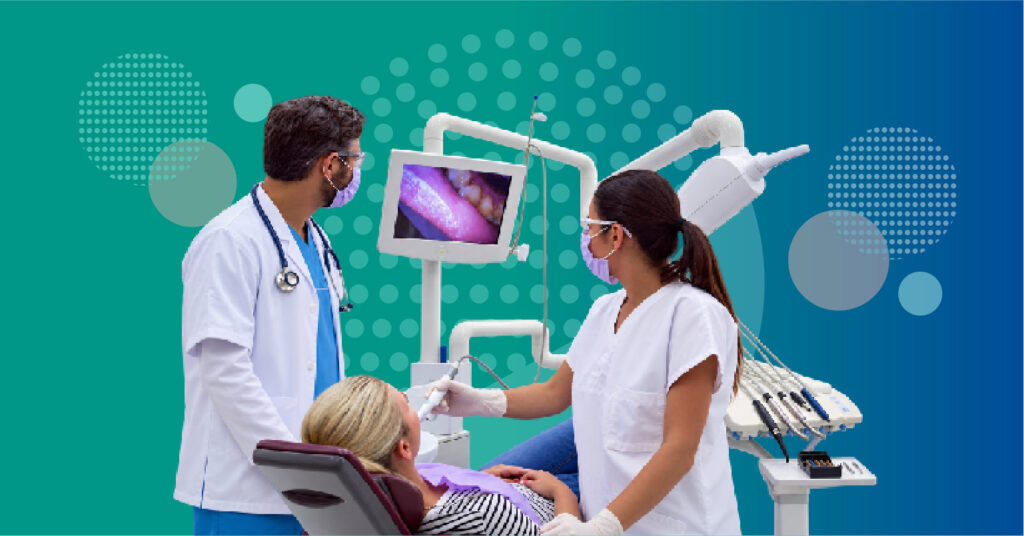
Oral care is often treated as a separate part of healthcare, but the patient in the dental chair brings much more than teeth and gums.
Diabetes, blood pressure, medications, cardiovascular history, pregnancy, and planned surgery can influence dental decisions. Oral findings may also signal when medical follow-up is needed. That is why oral health and overall health increasingly depend on how well dentists and medical professionals communicate.
Some relationships are bidirectional, while others are associations that should not be presented as proof of causation. The practical question is whether a finding changes assessment, treatment, referral, or follow-up.
MDForLives surveyed dentists across the USA, UK, Canada, Italy, France, and Germany to understand where coordination works and where it breaks down. The detailed findings and methodology are available in the MDForLives Oral-Systemic Care Insight Report.
The connection matters most when it changes care
For professionals, the useful question is not simply how oral health affects overall health. It is which relationships are strong enough to influence what happens next.
In the MDForLives survey, 65.0% of dentists identified diabetes mellitus as the systemic condition where periodontitis and oral inflammation play the most clinically critical role in altering patient outcomes. Diabetes can influence periodontal risk and healing, while periodontitis may make glycemic control more difficult. That creates a practical reason for dental and medical teams to exchange relevant information.
Other relationships require more caution. An association between periodontal and cardiovascular disease, for example, should not be translated into a causal claim. The takeaway is that oral health and general health become clinically connected when the relationship changes what professionals need to assess, communicate, or do next.
The dental visit can become an important screening moment
Once systemic risk is relevant to dental care, the next question is whether the dental visit can help identify a concern that needs action.
In the survey, 48.3% of dentists reported blood pressure and pulse screening at every routine adult visit. The value of screening comes from knowing what follows: confirming an abnormal result, documenting it, considering treatment implications, and referring to medical assessment when appropriate.
This is where dental health and overall health move from a broad concept into everyday workflow. A dental practice does not need to become a medical clinic, but it does need clarity about when a systemic finding matters and who should act on it.
A referral is where oral-systemic care becomes shared care
Recognizing a concern and coordinating a response are different tasks.
In the MDForLives survey, 44.8% of dentists said they generated a formal medical referral one to three times per month. Those referrals may involve blood pressure concerns, glycemic risk, medication questions, healing considerations, or the need for medical input before dental treatment.
A useful referral explains the finding, why input is needed, the urgency, and the question being asked by the medical professional. If the patient is simply told to raise the issue at a future medical visit, responsibility for carrying the information shifts largely to the patient.
For oral health and overall health to be managed as connected parts of care, the referral should function as a clinical conversation with a way to close the loop.
Shared care breaks when information stops moving
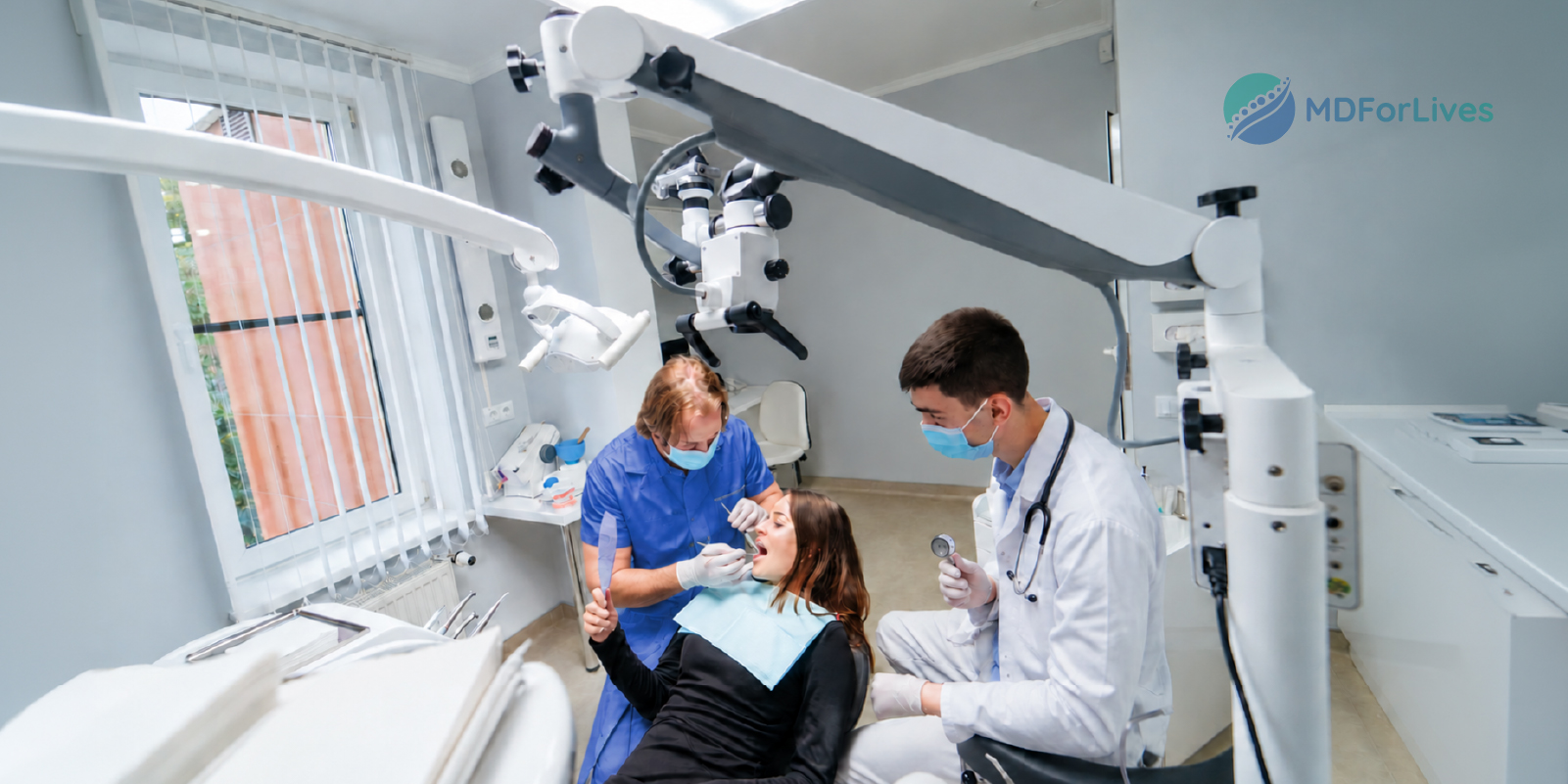
Even an appropriate referral can stall if relevant information is difficult to exchange.
The survey found that 37.9% of dentists identified the time and staffing needed to manually fax, call, or email records as the main technology barrier to medical-dental coordination. A dentist may need an updated medication list or physician recommendation. A medical team may need periodontal status, dental findings, or confirmation of completed dental care.
When those details sit in separate systems, coordination depends on manual requests, staff availability, and patient follow-through. Shared care therefore needs information to follow the patient as reliably as the referral itself.
Better coordination needs infrastructure, not just awareness
The final challenge is making collaboration workable across different practice settings.
When dentists were asked which future care model could best bridge dentistry and medicine, 41.4% selected interoperable electronic health record systems. Shared records could make relevant medications, diagnoses, dental findings, referrals, and recommendations more accessible to authorized professionals. But interoperability is only one part of the solution.
Coordination also requires defined responsibilities, professional time, interprofessional experience, and a care model that recognizes consultation and follow-up as clinical work. The report also identifies reimbursement for care coordination as an important barrier.
Integration works best when information, responsibility, and follow-up move together.
Closing perspective: oral-systemic care works when the handoff works
The relationship between oral health and systemic health is not one universal claim.
Sometimes a medical condition changes periodontal risk, healing, medication choice, or procedural planning. Sometimes an oral finding should prompt medical assessment. In other situations, the evidence shows association rather than causation and needs careful communication. Across these situations, the common requirement is coordination.
The dental team needs to know when a finding warrants referral, what information is needed, and who owns the next step. Medical professionals also need to recognize when dental assessment can influence treatment planning.
The MDForLives findings suggest that the clinical connection is already familiar to many dentists. The more fragile part is the pathway around it: screening, referral, information exchange, reimbursement, and shared responsibility.
The goal is not to turn every dental appointment into a medical consultation. It is to make sure that when oral health and overall health genuinely intersect, the handoff is reliable enough that the patient is not left to connect two healthcare systems alone.