

A radiology report must do more than record what was seen on a scan. It has to translate image interpretation into a clear clinical message that another professional can understand and act on.
That is the promise of structured radiology reporting. Standardized headings, templates, and terminology can make reports easier to navigate. But structure can become counterproductive when managing the template competes with image interpretation, or an unexpected finding does not fit the available fields.
The practical question is how to create enough structure for consistency without restricting the radiologist’s ability to explain the case.
MDForLives surveyed radiologists across the USA, UK, Canada, Italy, and Germany to understand how structured reporting works in practice. The findings and methodology are available in the MDForLives Structured Reporting in Radiology Insight Report.
The findings point toward a practical principle: make the report predictable for the reader while keeping reporting natural for the radiologist.
Structure matters most when the next clinician can use the report
The clinical value of a radiology report becomes most visible at the handoff.
In the MDForLives survey, 60.0% of radiologists said structured reporting had substantially improved communication with referring clinicians by reducing calls or addendum requests for clarification.
The deeper point is that structure is useful when it makes the next decision easier. The receiving clinician should be able to find important findings, understand the impression, and identify an actionable recommendation quickly.
This is where radiology structured reporting has its clearest practical role. Predictable sections and clearer impressions can reduce ambiguity across the care pathway. A well-structured report is not simply better documentation. It is clearer clinical communication.
A reporting system should support image interpretation, not compete with it
Radiology is unusual among documentation-heavy specialties because the central cognitive task is visual. Radiologists may be comparing prior examinations, measuring lesions, and integrating clinical history while dictating. A radiology reporting system should support that process rather than become a second task.
In the survey, 57.1% said pre-populated templates and dropdowns increased efficiency and sped dictation. Some respondents reported delay when navigation and mandatory fields became too rigid. The practical insight is that the structure itself does not determine efficiency. The interface does.
Good documentation requirements for radiology reports should be captured with minimal unnecessary interaction. Auto-population, speech recognition, and well-designed templates can help maintain consistency without repeatedly pulling attention away from the images.
Complex cases need room to move beyond the template
Even a well-designed template cannot predict every finding. In the survey, 71.4% of radiologists said structured templates handled core findings adequately, but complex incidental findings still required manual workaround.
The cases most in need of explanation are often the ones least suited to rigid reporting. An unexpected abnormality may need context; uncertainty may need qualification, or a recommendation may depend on patient risk or prior imaging. This is why flexibility should not be treated as the opposite of standardization.
Learn more about the challenges of managing Incidental Findings in Radiology, including the follow-up decisions they can require.
Free text can be a deliberate clinical tool inside a structured framework. A report can retain predictable headings and a consistent impression while giving the radiologist room to explain what the template did not anticipate.
The goal is not to force every observation into a field. It is to preserve clarity without flattening clinical meaning.
Standardization should happen without creating extra documentation work
Standardized radiology reports also create value beyond the immediate clinical read. Consistent terminology and structured data can support quality improvement, registries, research, and selected AI workflows.
The survey reflects that potential. 64.3% of radiologists said structured, standardized data was important for registries and research, although secondary to clinical workflow.
That qualification matters. Radiologists may value reusable data without wanting to manually encode every observation. If machine-readable information requires extra clicks or more time looking away from the scan, standardization can feel like additional documentation.
Open-ended responses pointed toward context-aware speech recognition, automatic placement of findings, transfer of measurements, and AI that maps natural dictation into the appropriate report structure. The opportunity is to make standardization increasingly invisible: the radiologist describes what they see naturally, while technology does more of the structuring behind the scenes.
A hybrid model keeps the structure and the clinical voice
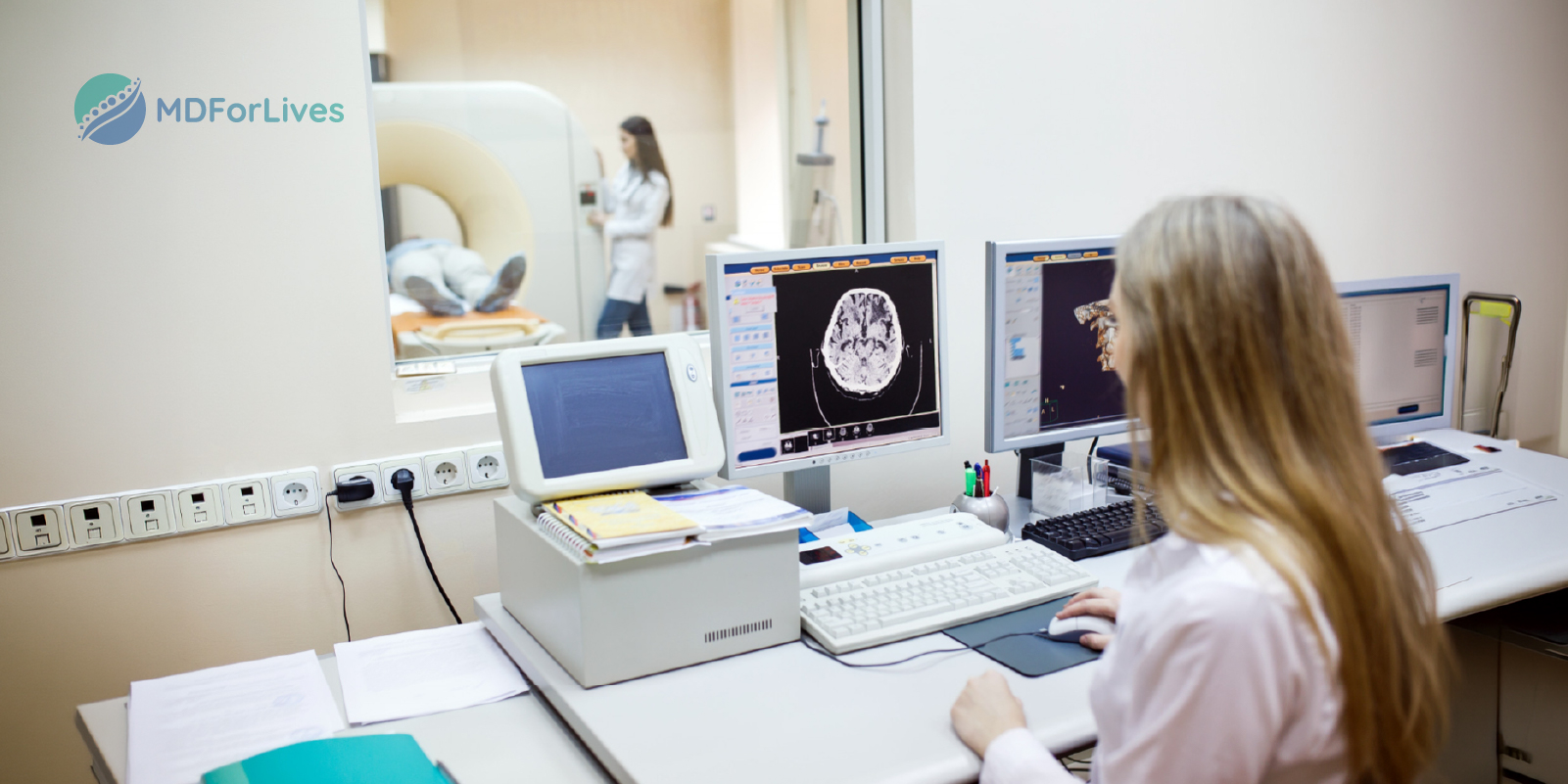 The strongest preference in the survey brings these needs together. 78.6% of radiologists selected standardized headings with full free-text freedom under each section as their ideal routine reporting model. That preference is not a rejection of structure. It defines where the structure belongs.
The report can have a stable skeleton: consistent sections, recognizable terminology, clear impressions, and standardized recommendations where appropriate. Within that framework, the radiologist still needs freedom to describe findings in the sequence and language that best explains the case. Highly standardized pathways may benefit from tighter formats, while complex or unexpected findings may require more narrative flexibility.
The practical goal is enough structure to make the report consistent and usable, with enough freedom to preserve clinical reasoning.
Closing perspective: make the report structured without making reporting rigid
The journey from medical scan to radiology report involves two connected needs. The clinician receiving the report benefits from consistency. The radiologist producing it needs a workflow that protects visual attention and clinical expression.
The MDForLives findings suggest these goals do not have to compete. Structured reporting can improve communication and efficiency, but it works best when the system leaves room for complex findings and reduces manual template management.
That creates a practical model for structured radiology reporting: the radiologist interprets images and dictates naturally, while the reporting system organizes the information into predictable sections, useful terminology, and a clear impression. The most effective structured report may therefore be the one that feels at least like completing a form.
The Insight Report provides detailed research. The practical takeaway is simpler: standardize what improves clarity and reuse but preserve flexibility wherever the clinical case demands explanation.