DNA methylation is one of the most important epigenetic mechanisms controlling gene activity in human cells. Instead of changing the DNA sequence itself, this process modifies how genes are turned on or off. It plays a central role in development, aging, and disease.
Advances in genomics have shown that abnormal methylation patterns influence cancer, metabolic disorders, and neurological conditions. Understanding this mechanism is essential for modern biomedical research and precision medicine.
What Is DNA Methylation?
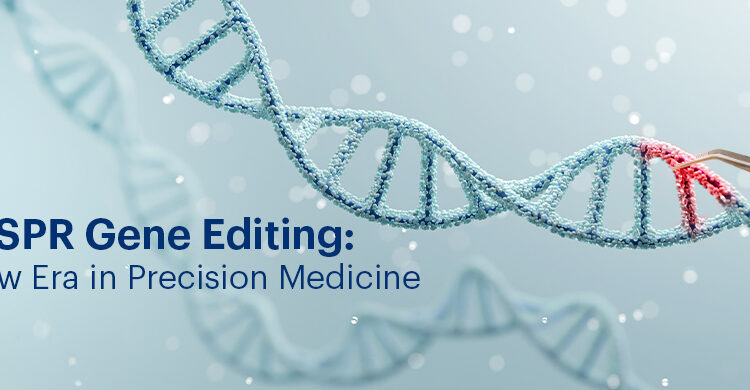
DNA methylation refers to the addition of a methyl group (CH₃) to DNA molecules, typically at cytosine bases located next to guanine nucleotides.
This modification alters gene activity without changing the DNA sequence.
DNA Methylation
The process usually occurs at CpG sites, regions of DNA where cytosine and guanine appear together. When methyl groups attach to these regions, they can influence whether nearby genes are active or silenced.
Comparison with Genetic Mutation
Genetic mutations change the DNA sequence permanently.
DNA methylation, however, is an epigenetic modification, meaning it affects gene regulation without altering the underlying genetic code. These modifications can sometimes be reversible.
Why DNA Methylation Is Important
It plays a central role in regulating gene function across the human genome.
Important biological roles include:
- controlling gene expression
- maintaining genomic stability
- guiding cellular differentiation
- protecting the genome from harmful elements
This regulatory system ensures that different cell types express only the genes necessary for their specific functions.
How DNA Methylation Works
It occurs through coordinated molecular processes involving enzymes and chromatin structures.
Role of DNA Methyltransferase Enzymes
DNA methyltransferases (DNMTs) are enzymes responsible for adding methyl groups to DNA.
Key enzymes include:
- DNMT1
- DNMT3A
- DNMT3B
These enzymes help maintain and establish methylation patterns during cell division.
CpG Islands and Gene Promoters
CpG islands are DNA regions rich in CpG sites and often located near gene promoters.
When CpG islands become heavily methylated, transcription machinery may be prevented from activating the gene. This results in gene silencing.
Conversely, unmethylated CpG regions often correspond to active genes.
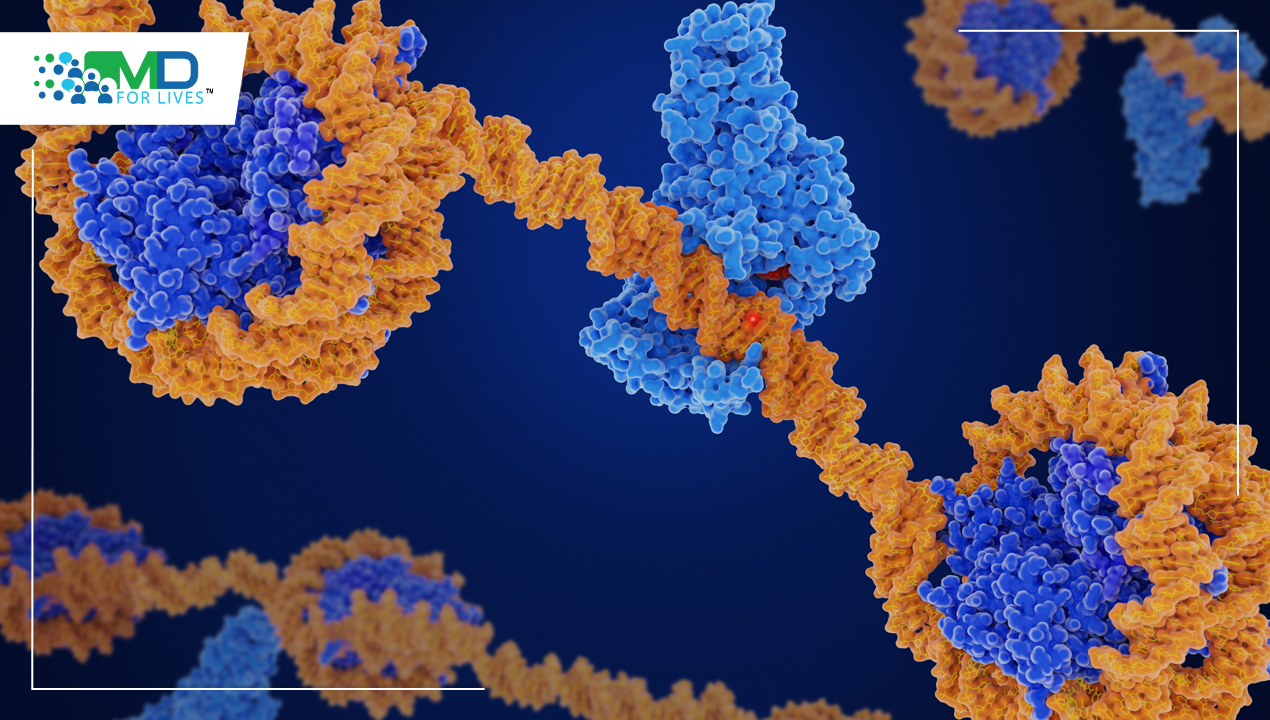
Interaction With Chromatin and Histones
It works closely with other epigenetic mechanisms.
Histone modifications and chromatin remodeling interact with methylated DNA to regulate accessibility of genetic material. Together, these mechanisms influence how tightly DNA is packaged and how genes are expressed.
DNA Methylation and Gene Expression
It is a key regulator of gene activity.
Gene Activation vs Gene Silencing
When methyl groups accumulate near gene promoter regions, they often suppress gene expression.
In contrast, genes with low methylation levels near promoters are more likely to remain active.
This regulatory mechanism helps control which genes are expressed in specific cells.
Epigenetic Regulation of Cells
Epigenetic regulation allows genetically identical cells to develop specialized functions.
For example:
- muscle cells express muscle-related genes
- neurons activate neural pathways
- immune cells produce immune proteins
It contributes to these cell-specific gene expression patterns.
DNA Methylation and Human Development
Epigenetic processes guide many aspects of early human development.
DNA Methylation During Embryonic Development
During early embryonic stages, the patterns are extensively reprogrammed.
This process helps establish the gene expression profiles required for tissue differentiation and organ formation.
Epigenetic Reprogramming
After fertilization, many methylation marks are erased and rewritten.
This reprogramming ensures that developmental genes are activated or silenced at the correct time.
Disruptions in this process can lead to developmental disorders.
DNA Methylation and Aging
The patterns change as individuals age.
Scientists have identified age-related methylation changes known as epigenetic clocks, which estimate biological aging based on methylation patterns.
These changes may influence:
- immune function
- metabolic health
- age-related diseases
Research in epigenetic aging continues to expand rapidly.
DNA Methylation and Diseases
Abnormal patterns are associated with several diseases.
Examples include:
Cancer
In many cancers, tumor suppressor genes become hypermethylated and silenced, allowing uncontrolled cell growth.
Neurological Disorders
Epigenetic changes have been linked to neurological conditions such as Alzheimer’s disease.
Metabolic Diseases
Changes in methylation patterns may influence metabolic pathways related to obesity and diabetes.
Understanding these mechanisms helps researchers identify new therapeutic targets.
Environmental Factors That Affect DNA Methylation
Environmental exposures can influence epigenetic patterns.
Examples include:
- diet and nutrition
- exposure to pollutants
- chronic stress
- smoking and alcohol use
These factors may alter methylation patterns and affect long-term health.
Epigenetic research is exploring how lifestyle factors influence gene regulation.
DNA Methylation Testing and Biomarkers
Analysis is increasingly used in biomedical research and diagnostics.
Common techniques include:
- DNA methylation sequencing
- methylation arrays
- DNA methylation profiling
These methods help identify epigenetic biomarkers associated with diseases such as cancer.
Methylation-based biomarkers may improve early disease detection and treatment planning.
Can DNA Methylation Be Changed?
Although methylation patterns are stable, they can sometimes be modified.
DNA Methylation and Epigenetics Therapy
Certain drugs known as epigenetic therapies target abnormal methylation patterns.
For example, DNA methyltransferase inhibitors are used in some cancer treatments to reactivate silenced tumor suppressor genes.
Lifestyle Changes That Influence Epigenetics
Research suggests that lifestyle factors may influence epigenetic regulation.
Examples include:
- balanced nutrition
- regular physical activity
- stress management
- avoiding environmental toxins
These factors may indirectly affect gene regulation mechanisms.
Future Applications
Research continues to expand into:
- personalized medicine
- early disease detection
- targeted therapies
- biomarker-driven diagnostics
Epigenetic data is expected to play a larger role in clinical decision-making.
Key Takeaways
- DNA methylation is a key epigenetic modification regulating gene expression.
- Methyl groups added to DNA can activate or silence genes.
- This mechanism plays a major role in development, aging, and disease.
- Abnormal methylation patterns are linked to cancer and other conditions.
- Research is advancing precision medicine and biomarker discovery.
Conclusion
DNA methylation represents a fundamental mechanism of gene regulation in human biology. By influencing gene expression without altering DNA sequences, methylation plays a crucial role in development, aging, and disease.
Advances in epigenetics research continue to reveal how methylation patterns influence health outcomes. As technologies for methylation analysis improve, these insights may lead to new diagnostic tools and targeted therapies in modern medicine.
Explore MDForlives for More Healthcare Insights
Discover global healthcare insights from medical professionals and researchers shaping the future of medicine.
Frequently Asked Questions
Can DNA methylation cause cancer?
Abnormal methylation patterns can silence tumor suppressor genes or activate oncogenic pathways, contributing to cancer development.
Can methylation biomarkers predict treatment response?
Researchers are studying methylation biomarkers that may help predict how patients respond to certain therapies.
Can methylation profiles be used for personalized medicine?
Yes. Epigenetic profiling may help guide individualized treatment strategies based on gene regulation patterns.
Is DNA methylation inherited?
Some methylation patterns can be passed from parent cells during cell division, although many epigenetic marks are reprogrammed during development.
Can DNA methylation be reversed?
Certain epigenetic drugs can modify abnormal methylation patterns, making epigenetic changes potentially reversible.
Can DNA methylation testing help detect cancer early?
Researchers are developing methylation-based diagnostic tests that detect cancer-related epigenetic markers in blood samples.

MDForLives is a global healthcare intelligence platform where real-world perspectives are transformed into validated insights. We bring together diverse healthcare experiences to discover, share, and shape the future of healthcare through data-backed understanding.