

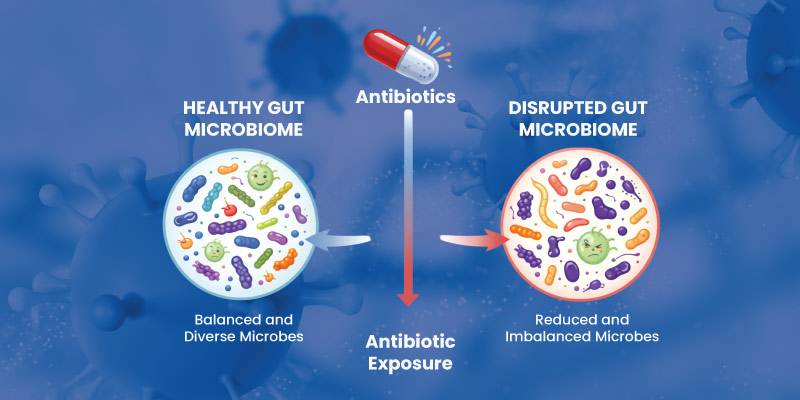
Antibiotics and gut health are closely linked because antibiotics disrupt the balance of bacteria in the intestinal microbiome. While antibiotics are essential for treating bacterial infections, they can also reduce beneficial bacteria that support digestion, immune regulation, and metabolic health.
Changes in the microbiome may lead to digestive symptoms such as bloating, constipation, and stomach discomfort. In some cases, repeated antibiotic exposure can alter microbial diversity for extended periods. Understanding these effects helps clinicians and patients make informed decisions about treatment and recovery strategies.
Antibiotics and Gut Health: Clinical Implications
The human gut microbiome contains trillions of microorganisms that support digestion, vitamin synthesis, immune defense, and metabolic regulation. Antibiotics target harmful bacteria but often affect beneficial microbes as well. This disruption can temporarily reduce microbial diversity and shift the balance of bacterial species.
Microbiome disruption is particularly important in early life because gut bacteria influence immune development and metabolic pathways. Changes in microbial composition during infancy and childhood have been associated with later health outcomes in several research studies. Even in adults, microbiome recovery may take weeks or months after antibiotic therapy.
Antibiotic Types Commonly Used in Clinical Practice
Different antibiotics influence gut bacteria in different ways. Broad-spectrum antibiotics tend to cause greater disruption because they affect a wider range of bacterial species.
Commonly prescribed antibiotics include:
- Amoxicillin
- Ciprofloxacin
- Clarithromycin
- Clindamycin
- Cephalosporins such as cefprozil
- Carbapenems such as imipenem
Each class differs in how strongly it affects microbial diversity.
Impact of Antibiotics on Gut Microbial Composition
Antibiotics can rapidly change the composition of gut microbes by eliminating both harmful and beneficial bacteria.
Possible effects include:
- Reduced microbial diversity
- Overgrowth of resistant bacteria
- Increased susceptibility to gastrointestinal infections
- Altered metabolic pathways in the gut
These changes may contribute to digestive symptoms during or after antibiotic treatment
In some individuals, disruptions in the gut microbiome may also exacerbate symptoms associated with irritable bowel syndrome (IBS), including abdominal pain, bloating, and changes in bowel habits.
Common Antibiotics and Their Effects on Gut Microbiota
- Clindamycin: Clindamycin has been associated with significant disruption of gut microbial diversity and may increase the risk of antibiotic-associated diarrhea.
- Ciprofloxacin: Ciprofloxacin typically causes temporary microbiome shifts. In many individuals, bacterial populations begin to recover within weeks after treatment.
- Amoxicillin: Amoxicillin is widely used and generally well tolerated, but it can still reduce beneficial bacteria in the intestinal tract.
- Clarithromycin: Macrolide antibiotics such as clarithromycin can affect microbial composition and may influence bacterial resistance patterns.
- Cephalosporins and Carbapenems: Second-generation cephalosporins and carbapenems are broad-spectrum antibiotics that may significantly alter microbial diversity when used for extended periods.
Digestive Side Effects of Antibiotics
Changes in gut bacteria can lead to several gastrointestinal symptoms.
Common complaints include:
- Bloating
- Constipation
- Diarrhea
- Stomach discomfort
- Nausea
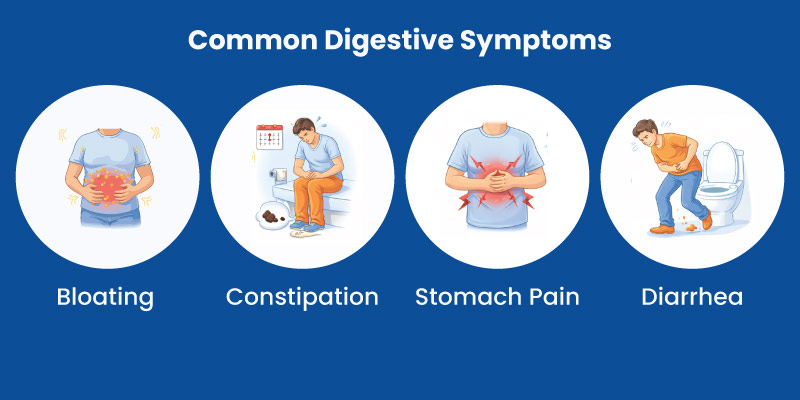
Many people ask “do antibiotics make you constipated or bloated?” These symptoms occur because microbiome disruption affects digestion and intestinal motility.
Symptoms usually improve once treatment ends and the microbiome begins to recover.
Read our complete guide on how to relieve constipation for practical dietary, lifestyle, and treatment approaches that may help restore regular bowel movements.
Consequences of Antibiotic-Induced Microbiota Changes
Long-term disruption of gut microbes may influence several aspects of health.
Potential consequences include:
- Increased susceptibility to infections
- Reduced metabolic efficiency
- Changes in immune response
- Altered nutrient absorption
Some research also suggests that early-life microbiome disruption may influence metabolic and neurological development.
Because the gut microbiome plays an important role in nutrient absorption, prolonged disruptions may affect the body’s ability to utilize essential nutrients, potentially contributing to conditions such as vitamin A deficiency, which can impact vision, immune function, and overall health.
Antibiotic Alternatives and Probiotics
Researchers are exploring strategies to support microbiome recovery during or after antibiotic treatment. One commonly discussed approach is probiotic supplementation. Probiotics contain beneficial microorganisms that may help restore microbial balance in the gut.
As concerns about antibiotic resistance and microbiome disruption continue to grow, researchers are increasingly exploring phage therapy as an alternative to antibiotics, a targeted approach that uses bacteriophages to eliminate harmful bacteria while potentially preserving beneficial gut microbes.
Potential benefits include:
- Reduced antibiotic-associated diarrhea
- Improved microbial diversity
- Faster recovery of gut bacteria
However, probiotic effects vary depending on the strain and patient characteristics.
Restoring Gut Health After Antibiotics
Many patients ask how to restore gut health after antibiotics. Several strategies may help support recovery.
- Probiotic Supplements: Taking probiotics after antibiotics may help replenish beneficial bacteria.
- Fermented Foods: Foods containing natural probiotics include Yogurt, Kefir, Sauerkraut, Kimchi
- Fiber-Rich Foods: Prebiotic fiber helps beneficial bacteria grow. Examples include, Whole grains, Vegetables, Legumes, Fruits
- Balanced Nutrition: A diet rich in diverse plant foods supports microbial diversity.
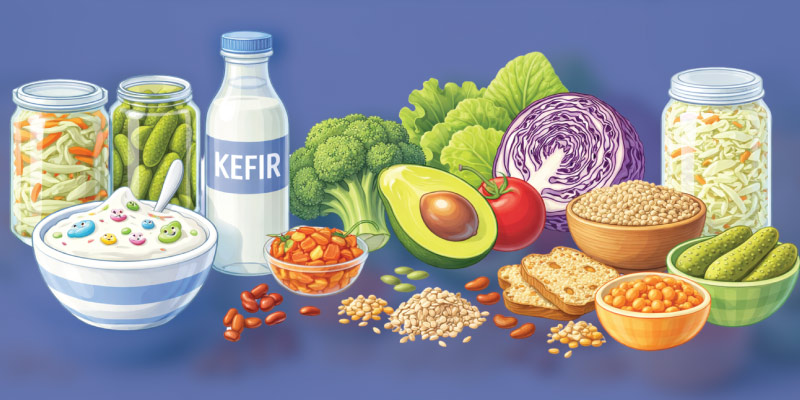
Recovery of the microbiome can take several weeks depending on antibiotic type and duration.
What to Eat When Taking Antibiotics
Diet can influence digestive comfort during treatment.
Maintaining a balanced relationship with food is equally important during recovery, as restrictive eating patterns and other eating disorders can affect nutritional intake, digestive health, and overall well-being.
Helpful foods include:
- Probiotic-rich yogurt or kefir
- Fiber-rich vegetables
- Whole grains
- Hydrating foods such as soups and fruits
Foods that may worsen symptoms include highly processed foods, excessive sugar, and alcohol.
Read in detail about Diet and Gut Health
Antibiotics and Gut Health – Clinical Integration and Future Perspectives
Growing research on the microbiome is shaping how clinicians approach antibiotic use.
At the same time, healthcare professionals must balance effective infection treatment with the growing challenge of antimicrobial resistance, which continues to influence antibiotic prescribing practices worldwide.
Future strategies may include:
- Microbiome profiling before treatment
- Targeted antimicrobial therapy
- Personalized probiotic interventions
- Precision medicine approaches to microbiome restoration
These developments may reduce the long-term impact of antibiotics on gut health.
Conclusion
Antibiotics remain one of the most important tools in modern medicine, but they can temporarily disrupt the gut microbiome. These changes may cause digestive symptoms and alter microbial balance.
Understanding how antibiotics influence gut health allows patients and healthcare professionals to manage side effects and support microbiome recovery. With appropriate use, balanced nutrition, and targeted interventions such as probiotics, gut microbial diversity can often recover after treatment.