
Diet and gut health are closely linked, shaping digestion, immunity, metabolism, and even mental wellbeing. What you eat does more than provide nutrients. It directly influences the balance of microorganisms living in the digestive tract. These microbes interact with food components, produce bioactive compounds, and affect how the body responds to inflammation, infection, and metabolic stress.
The growing focus on the gut microbiome reflects a shift in how health is understood. Instead of isolated systems, there is increasing recognition that diet-driven microbial changes can influence multiple aspects of long-term health.
How Diet Affects the Gut Health & Microbiome
The gut microbiome is composed of bacteria, fungi, and other microorganisms that live primarily in the large intestine. Their composition is not fixed. It changes continuously based on dietary patterns, lifestyle, and environmental exposure.
A nutrient-dense and varied diet encourages microbial diversity. Diversity is important because different microbes perform different functions. Some produce short-chain fatty acids that support gut lining integrity. Others regulate immune responses or assist in breaking down complex carbohydrates.
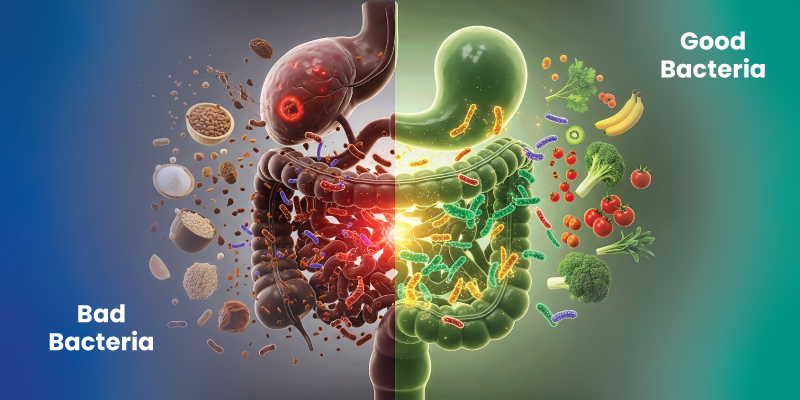
In contrast, repetitive or nutrient-poor diets reduce diversity. When certain species dominate while others decline, the system becomes less resilient. This imbalance is often associated with digestive discomfort, metabolic dysfunction, and inflammatory conditions.
Diet for a Healthy Gut Microbiome
High-Fiber Foods (Increase Diversity)
Fiber remains one of the most important components for maintaining microbial balance. It is not digested in the small intestine and instead reaches the colon, where it is fermented by bacteria.
This fermentation process produces compounds such as butyrate, which support intestinal health and reduce inflammation.
Common sources include:
- Whole grains such as oats and brown rice
- Lentils and beans
- Leafy vegetables
- Fruits such as apples and pears
Increasing fiber intake gradually is important to avoid discomfort.
Prebiotic Foods
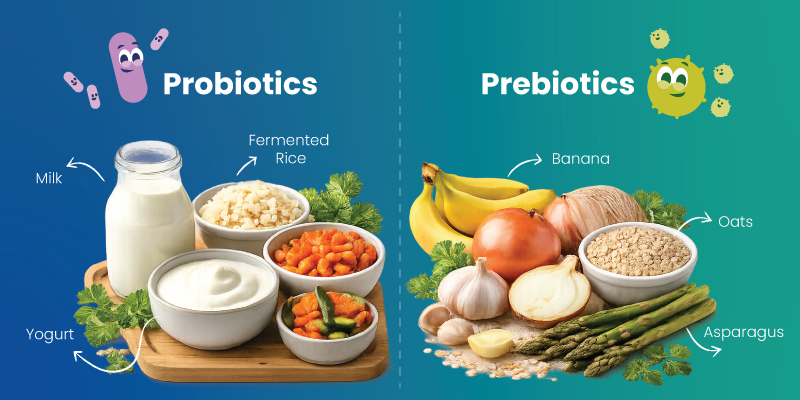
Prebiotics act as selective fuel for beneficial bacteria. Unlike general fiber, these compounds specifically promote the growth of certain microbial groups.
Examples include:
- Garlic and onions
- Bananas
- Chicory root
- Asparagus
Regular intake helps maintain stability within the microbiome.
Probiotic Foods
Probiotics introduce live microorganisms that can temporarily enhance microbial balance.
Common options:
- Yogurt with active cultures
- Kefir
- Fermented vegetables
- Traditional fermented foods
Their effect depends on consistency and overall diet quality.
Polyphenol-Rich Foods
Polyphenols are plant compounds with antioxidant properties. They also influence microbial composition by supporting beneficial species.
Examples include:
- Berries
- Cocoa
- Green tea
- Olive oil
These compounds contribute to both microbial diversity and reduced inflammation.
Diet That Harm Gut Microbiome
Certain dietary patterns create an unfavorable environment for beneficial microbes.
Key contributors include:
- Highly processed foods
- Diets high in refined sugar
- Low intake of plant-based foods
- Frequent consumption of artificial additives
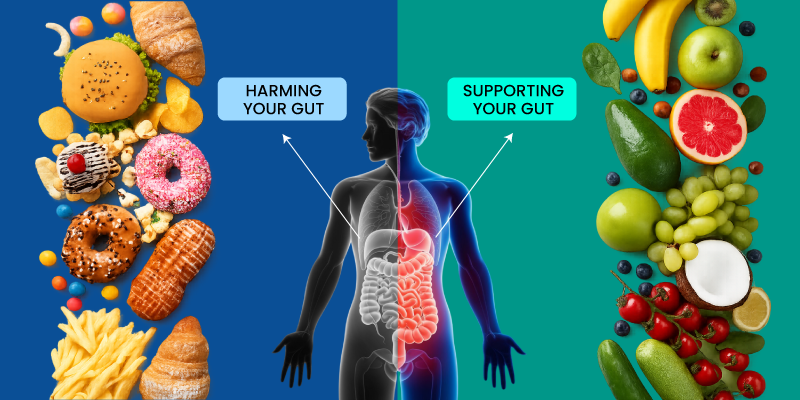
These patterns reduce microbial diversity and may increase the presence of less beneficial species. Over time, this imbalance can affect digestion, immune function, and metabolic regulation.
Diet Patterns and Their Impact on Gut Health
Mediterranean Diet (Best Evidence)
This pattern is consistently associated with improved microbial diversity. It includes fruits, vegetables, whole grains, legumes, and healthy fats.
Research shows that it supports the production of beneficial metabolites and reduces inflammatory markers.
Western Diet (Negative Impact)
Characterized by processed foods, high sugar intake, and low fiber content, this pattern is linked to reduced microbial diversity and increased inflammation.
High-Protein / High-Fat Diet Effects
Excessive reliance on animal-based protein and fat can alter microbial composition. While not inherently harmful, imbalance can occur if fiber intake is insufficient.
Plant-Based Diet Benefits
Plant-based patterns provide consistent fiber and phytonutrients. These support beneficial microbes and improve overall gut function.
Role of Gut Microbiome in Health & Disease
The microbiome influences multiple biological systems.
| System | Role |
| Digestive | Breaks down complex carbohydrates |
| Immune | Regulates immune response |
| Metabolic | Influences energy balance |
| Neurological | Interacts with gut-brain axis |
Disruptions in microbial balance are linked with conditions such as irritable bowel syndrome, metabolic disorders, and inflammatory diseases.
How to Improve Gut Microbiome Naturally
Improvement does not require extreme changes. Consistency matters more than intensity.
- Increase variety in plant-based foods
- Include fermented foods regularly
- Reduce processed food intake
- Maintain regular meal timing
- Stay physically active
These practices gradually restore balance and improve resilience.
Common Diet Mistakes That Harm Gut Health
Several common patterns negatively affect the microbiome:
- Following highly restrictive diets without medical need
- Eliminating entire food groups long term
- Relying on convenience foods
- Ignoring fiber intake
- Rapid diet changes without adaptation
Avoiding these mistakes helps maintain a stable microbial environment.
Diet-Based Therapies for Gut Health
IBS (Low FODMAP Diet)
This approach limits certain fermentable carbohydrates to reduce symptoms. It is typically used under professional guidance.
For deeper insight: Irritable Bowel Syndrome
Inflammation and Gut Disorders
Dietary approaches focusing on whole foods and reduced processed intake may help manage inflammation.
Recovery After Antibiotics
Antibiotics can disrupt microbial balance. Recovery strategies include:
- Gradual reintroduction of fiber
- Inclusion of fermented foods
- Maintaining dietary diversity
Related reading: Antibiotics and Gut Health
Future of Diet and Gut Health
Personalized Diet and Gut Health
Emerging research focuses on tailoring dietary recommendations based on individual microbiome profiles.
This approach aims to:
- Improve treatment precision
- Enhance nutrient utilization
- Reduce disease risk
Personalized nutrition represents a shift toward more targeted dietary strategies.
Conclusion
Diet plays a central role in shaping gut health. A diverse and balanced approach supports microbial stability, while poor dietary patterns can disrupt it. Long-term benefits come from consistent habits that support diversity, reduce inflammation, and maintain overall balance.
Explore more evidence-led healthcare insights: MDForLives