Healthcare systems are entering a period where technology is directly shaping diagnosis, treatment, patient monitoring, and operational decision-making. Advances in medical technology are no longer experimental. They are becoming foundational to modern healthcare delivery.
Artificial intelligence, connected devices, robotics, genomics, and predictive analytics are helping healthcare organizations respond to rising patient volumes, workforce shortages, chronic disease burden, and growing expectations for personalized care.
For healthcare professionals, these changes represent more than technological progress. They reflect a broader shift toward predictive, connected, and data-informed healthcare systems.
Medical Technology Advancements Overview
Why Medical Technology Matters in Healthcare
Medical technology improves healthcare efficiency, clinical accuracy, accessibility, and patient safety. Digital systems help providers manage growing volumes of patient and operational data while supporting faster and more informed decision-making.
Technology is also helping healthcare systems respond to structural pressures including aging populations, rising healthcare costs, and increasing chronic disease rates.
How Technology Improves Clinical Outcomes
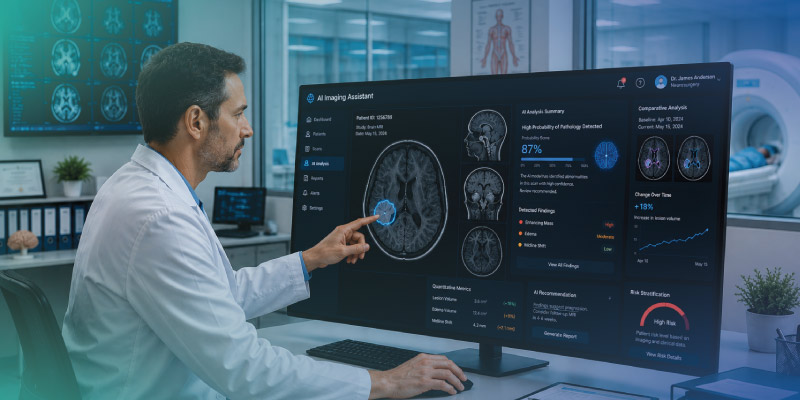
New medical technologies are supporting earlier intervention and more precise clinical decision-making. AI-supported imaging systems, connected monitoring devices, and robotic-assisted procedures are improving diagnostic accuracy, treatment precision, and patient recovery.
Technology is also improving continuity of care through better coordination, standardized workflows, and real-time healthcare data access. In many healthcare environments, these systems are helping reduce variability across documentation, medication management, and operational processes while supporting more connected healthcare delivery.
Role of Innovation in Preventive and Personalized Cares, and connected devices into everyday workflows.
This transformation is improving operational coordination while enabling healthcare systems to manage larger patient populations more efficiently. At the same time, digital healthcare infrastructure introduces new challenges related to interoperability, cybersecurity, workforce readiness, and Impact of Digital Transformation on Healthcare Systems
Digital transformation is improving coordination, scalability, and operational efficiency across healthcare systems. At the same time, it introduces new challenges related to interoperability, cybersecurity, workforce readiness, and governance.
These technologies also reflect growing integration between biomedical engineering and connected healthcare systems where implantable devices increasingly generate real-time patient data that can support ongoing monitoring and clinical intervention.
Recent Advances in Medical Technology to Explore
Advancements in Nanotechnology in Health Science
Nanotechnology is enabling more targeted drug delivery systems, precision therapeutics, and improved imaging capabilities. Researchers are increasingly exploring nanomedicine applications in oncology and chronic disease management.
Development of CRISPR-Cas9 Gene Editing Technology
CRISPR-Cas9 gene editing technology represents one of the most significant scientific developments in precision medicine. The technology allows researchers to modify genetic material with increasing accuracy, creating potential pathways for treating inherited diseases and rare genetic disorders.
Although ethical, regulatory, and long-term safety considerations remain important areas of discussion, gene editing technologies are accelerating conversations around future medical technology and individualized treatment approaches.
Artificial Intelligence (AI) for Medical Science
Artificial intelligence is becoming one of the most influential drivers of healthcare technology advances. AI systems now support diagnostics, imaging analysis, drug discovery, predictive analytics, and hospital operations.
Healthcare organizations are increasingly using AI to improve efficiency and identify patterns across large healthcare datasets. However, implementation still requires strong governance, clinical oversight, and accountability.
Chimeric Antigen Receptor (CAR) T-Cell Therapy to Treat Cancer
CAR T-cell therapy is reshaping parts of oncology by enabling highly personalized immune-based cancer treatment. The approach modifies a patient’s own immune cells to recognize and attack cancer cells more effectively.
While currently focused primarily on specific blood cancers, CAR T-cell therapies represent broader progress in precision medicine and individualized cancer care.
Development of mRNA Vaccines
The success of mRNA vaccines accelerated interest in flexible biotechnology platforms capable of supporting infectious disease prevention, cancer therapeutics, and personalized medicine.
Advances in 3D Printing for Medical Applications
3D printing technologies are increasingly supporting surgical planning, prosthetic development, implant customization, and anatomical modeling. Personalized implants and patient-specific medical devices are improving procedural precision while supporting more tailored treatment approaches.
In surgical education and training, 3D models are also helping clinicians simulate procedures and improve preparation before complex operations.
Telemedicine to Provide Remote Care
Telemedicine has become a major component of modern healthcare delivery, particularly as healthcare systems seek to improve accessibility and continuity of care.
Virtual consultations, remote diagnostics, and connected patient management platforms are helping providers extend healthcare access across geographic and operational barriers. Telemedicine is particularly important in rural healthcare environments and chronic disease management where ongoing monitoring is essential.
Virtual Reality in Medical Training
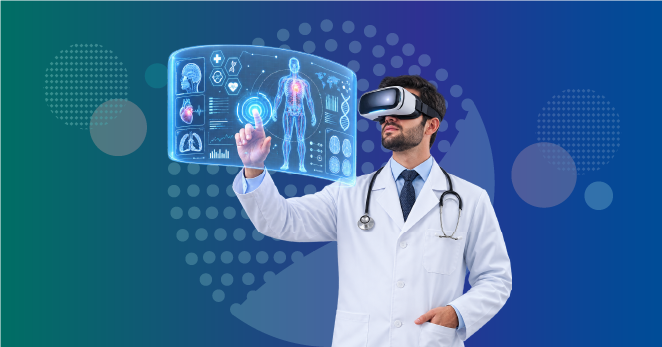
Virtual reality technologies are increasingly supporting medical education, procedural simulation, and surgical training through immersive digital environments.
Development of Wearable Devices for Health Monitoring
Wearable healthcare technologies are enabling continuous monitoring of heart rate, glucose levels, oxygen saturation, physical activity, and sleep patterns. These systems are contributing to preventive care models by helping identify early warning signs and long-term health trends.
Wearables are also strengthening patient engagement by giving individuals greater visibility into their own health data and disease management patterns.
Precision Medicine and Personalized Healthcare
- What Is Precision Medicine?
Precision medicine tailors prevention, diagnosis, and treatment based on patient-specific factors such as genetics, biomarkers, and lifestyle.
- Genomics and Biomarker-Based Treatments
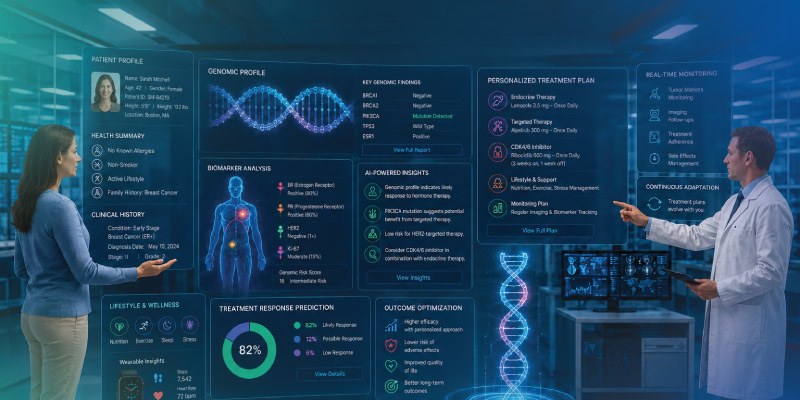
Advances in genomics are helping researchers identify biomarkers associated with disease progression, treatment response, and therapeutic risk. These insights are improving treatment selection across oncology, cardiovascular disease, and rare genetic conditions.
Biomarker-driven therapies are also strengthening the shift toward evidence-backed healthcare decisions supported by patient-specific clinical data.
Pharmacogenomics in Healthcare
Pharmacogenomics examines how genetic differences influence medication response, helping providers optimize dosing strategies and reduce adverse drug reactions.
- Personalized Cancer Care
Oncology remains one of the most advanced areas of personalized healthcare. Genomic profiling and biomarker analysis are increasingly guiding cancer treatment selection, helping clinicians identify therapies more likely to produce effective outcomes.
These approaches are contributing to more individualized treatment planning while reducing exposure to less effective therapies.
- Benefits and Challenges of Personalized Healthcare
Personalized healthcare supports earlier intervention and more targeted treatment strategies. However, affordability, interoperability, data management, and equitable access remain major challenges.
Read also about Pharmacovigilance
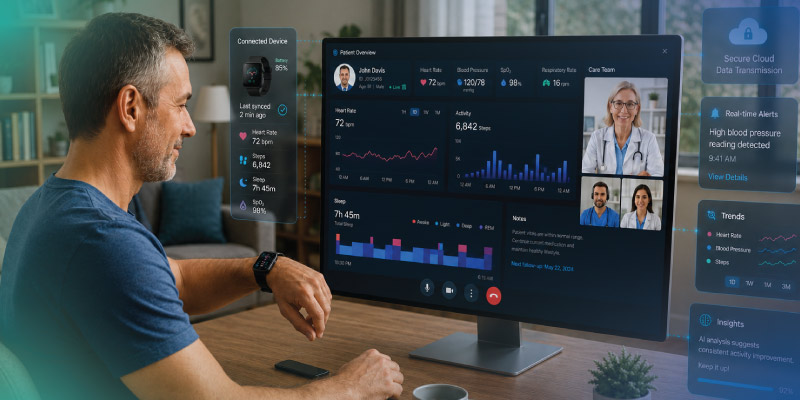
Internet of Medical Things (IoMT) and Connected Healthcare
What Is IoMT?
The Internet of Medical Things (IoMT) refers to connected healthcare devices and systems that collect and exchange patient data in real time.
- Smart Medical Devices and Sensors: Connected healthcare devices such as wearable monitors, smart inhalers, infusion pumps, and implantable sensors are improving long-term patient management and chronic disease monitoring.
- Connected Patient Monitoring Systems: Remote patient monitoring systems are enabling providers to track health indicators outside traditional clinical settings. These systems are particularly valuable for chronic disease management, post-operative care, and elderly patient monitoring. Continuous monitoring also supports more proactive healthcare interventions and reduces dependence on episodic hospital visits.
Benefits of Real-Time Healthcare Data
Real-time healthcare data supports faster decision-making, earlier intervention, and improved patient monitoring.
Risks of Connected Healthcare Devices
As healthcare systems become more connected, cybersecurity risks and patient privacy concerns are becoming more significant.
Healthcare organizations must address vulnerabilities related to device security, data storage, interoperability, and system governance to maintain trust and operational resilience.
Artificial Intelligence in Healthcare
- AI in Diagnostics and Disease Detection: AI-supported diagnostics are improving disease detection, image interpretation, and clinical pattern recognition across multiple specialties.
- AI in Drug Discovery and Development: AI is accelerating pharmaceutical research by supporting target identification, predictive modeling, toxicity analysis, and clinical trial optimization. Healthcare and pharmaceutical organizations increasingly use AI to reduce development timelines and improve decision-making efficiency during research processes.
- AI in Population Health Management: Healthcare organizations use AI analytics to identify care trends, predict disease burden, and improve healthcare planning strategies.
- AI and Administrative Automation: Administrative AI tools are helping healthcare systems automate scheduling, documentation, billing, workflow coordination, and operational reporting. Reducing repetitive administrative tasks may help improve efficiency while allowing healthcare professionals to focus more directly on patient care.
Challenges of AI Integration in Hospitals
Despite growing adoption, AI integration continues presenting operational and ethical challenges. Healthcare organizations must manage governance, interoperability, workforce training, explainability, and accountability concerns alongside implementation. Successful adoption depends on balancing innovation with clinical oversight and patient trust.
Telemedicine and Remote Patient Monitoring
- Benefits of Remote Healthcare: Telemedicine and remote healthcare technologies improve accessibility, continuity of care, and patient convenience across healthcare settings.
- Remote Monitoring for Chronic Diseases: Chronic disease management increasingly relies on connected systems capable of monitoring patient health continuously outside hospital environments. Conditions such as diabetes, hypertension, respiratory disease, and cardiovascular illness benefit significantly from remote monitoring technologies.
Read in detail about Technology in Nursing and Telehealth in Pharmacy
Tele-ICU and Virtual Care
Tele-ICU systems allow critical care specialists to support patient management remotely across multiple healthcare facilities, improving access to expertise.
- Remote Care for Elderly Patients: Connected healthcare systems are becoming increasingly important for aging populations requiring long-term care management. Remote monitoring and virtual care models support greater independence while enabling providers to identify changes in patient conditions earlier.
- Future of Connected Healthcare: The future of connected healthcare will likely involve deeper integration between telemedicine, wearable devices, AI analytics, and interoperable health systems. Healthcare organizations are gradually moving toward ecosystems capable of supporting more continuous and data-driven patient care.
Robotic Surgery and Surgical Innovation
- Minimally Invasive Surgery Techniques: Minimally invasive surgical approaches reduce recovery time, complications, and physical trauma for patients.
- Robotic-Assisted Surgical Procedures: Robotic surgery systems provide enhanced dexterity, visualization, and procedural precision for surgeons performing complex operations. These systems are increasingly used across urology, gynecology, oncology, and cardiovascular surgery.
- Benefits of Robotic Surgery for Patients:Potential benefits of robotic surgery include smaller incisions, reduced blood loss, shorter recovery periods, and improved procedural precision.
- Training Challenges in Robotic Surgery: Healthcare organizations must invest significantly in training, certification, and operational adaptation to support robotic surgical systems effectively. Technology adoption requires not only equipment investment but also long-term workforce development.
- Cost and Accessibility Issues: Robotic systems remain expensive to implement and maintain, creating accessibility challenges for smaller healthcare institutions and underserved regions. Healthcare systems must balance innovation investment with equitable access considerations.
Smart Hospitals and Healthcare Automation
- Smart ICU Systems: Smart ICU technologies combine predictive analytics, monitoring systems, and automated alerts to improve critical care management.
- Automation in Hospital Management: Hospital automation systems support patient flow coordination, scheduling, inventory management, and operational planning. Automation is increasingly viewed as essential for managing healthcare complexity and workforce pressure.
- EHR Integration and Interoperability: Integrated electronic health record systems improve communication between departments, healthcare providers, and care networks. Interoperability remains critical for creating more connected and efficient healthcare ecosystems.
- AI-Powered Hospital Operations: Healthcare organizations are increasingly using AI to optimize staffing, predict demand patterns, and improve operational efficiency.
- Workflow Optimization in Healthcare: Workflow optimization technologies reduce inefficiencies and improve coordination across healthcare systems. Operational efficiency is increasingly linked to both patient outcomes and workforce sustainability.
- Reducing Healthcare Worker Burnout Through Automation: Administrative automation may help reduce repetitive workloads and documentation burden affecting healthcare professionals. However, successful implementation depends on systems that genuinely support workflows rather than adding complexity.
Cybersecurity and Data Privacy in Healthcare Technology
- Risks of Healthcare Data Breaches: Healthcare organizations remain highly vulnerable to data breaches due to the volume and sensitivity of patient information managed across digital systems. Cybersecurity failures can disrupt clinical operations, compromise patient trust, and create significant regulatory exposure.
- Cybersecurity Challenges in Connected Devices: Connected medical devices expand the number of potential access points within healthcare networks. Healthcare systems must continuously evaluate device security, software updates, and network vulnerabilities as connected ecosystems expand.
- Patient Privacy Concerns in Digital Healthcare: As healthcare data becomes more integrated and shareable, patient privacy concerns are becoming increasingly important. Healthcare organizations must balance accessibility and interoperability with strong governance and privacy protection frameworks.
- HIPAA and Regulatory Compliance: Healthcare technologies must align with evolving privacy, cybersecurity, and regulatory compliance standards.
- Securing Digital Health Infrastructure: Healthcare cybersecurity strategies increasingly focus on resilience, monitoring, encryption, and proactive risk management. Maintaining trust within connected healthcare systems depends heavily on infrastructure security and governance maturity.
Read also about Ethical Issues in Healthcare
Challenges of Medical Technology Advancements
Despite rapid innovation, healthcare technology adoption continues facing challenges related to cost, interoperability, workforce readiness, cybersecurity, and governance.
Healthcare organizations must also address ethical concerns surrounding AI bias, patient privacy, and equitable access to connected healthcare systems.
Future Trends in Medical Technology
Future medical technology will likely focus increasingly on predictive care, connected ecosystems, precision medicine, AI-supported decision-making, and decentralized healthcare delivery.
Wearable technologies, genomics, robotics, interoperable health systems, and digital therapeutics are expected to become more deeply integrated into everyday healthcare operations.
The future of healthcare technology will depend not only on innovation itself, but on how effectively healthcare systems maintain trust, clinical accountability, and equitable access while integrating increasingly advanced technologies.
How Advances in Medical Technology Is Changing Patient Care
Medical technology advancements are reshaping patient care by making healthcare more connected, personalized, and data-informed.
Patients increasingly expect faster diagnostics, remote access to providers, personalized therapies, and greater visibility into their own health information. Healthcare systems are responding through connected care models, predictive technologies, and digital health platforms. Read in detail about Person Centered Care
How HCPs Can Adapt to Advances in Medical Technology?
Healthcare professionals are increasingly expected to work alongside connected systems, predictive analytics, and digital healthcare platforms. Adapting successfully requires both technical familiarity and the ability to evaluate how technology affects clinical workflows and patient outcomes.
- Future Skills Required in Healthcare: Future healthcare environments will likely require stronger digital literacy, interdisciplinary collaboration, data interpretation capabilities, and technology oversight skills.
- Importance of Digital Literacy in Medicine: Digital literacy is becoming essential as healthcare systems rely more heavily on electronic records, AI-supported systems, connected devices, and remote care technologies.
- Continuous Medical Education in Technology: Continuous education will play a critical role in helping healthcare professionals adapt to evolving healthcare technologies and workflows.
- Interdisciplinary Collaboration in Modern Healthcare: Healthcare innovation increasingly depends on collaboration between clinicians, researchers, engineers, administrators, and data scientists.
Advances in Medical Technology: Real-World Clinical Applications and Case Studies
- AI Success Stories in Hospitals: Hospitals are increasingly using AI-supported systems to improve imaging workflows, predict patient deterioration, and optimize operational planning.
- Telemedicine in Rural Healthcare: Telemedicine platforms are helping improve healthcare accessibility in rural and underserved regions.
- Wearables in Chronic Disease Management: Wearable devices are supporting continuous monitoring and proactive management of chronic conditions.
- Robotic Surgery Outcomes: Robotic-assisted surgery continues improving procedural precision and recovery outcomes across multiple specialties.
- Precision Medicine in Oncology: Precision oncology is helping clinicians personalize cancer treatment using genomic profiling and biomarker analysis.
Advances in Medical Technology: Conclusion
Advances in medical technology are reshaping how healthcare systems diagnose disease, deliver treatment, manage operations, and engage patients across increasingly connected care environments.
From artificial intelligence and robotics to precision medicine, wearable devices, and connected healthcare systems, innovation is transforming healthcare from reactive treatment models toward more predictive, personalized, and data-informed approaches.
At the same time, these advancements introduce important questions surrounding governance, workforce readiness, cybersecurity, accessibility, and ethical oversight. The future of healthcare will not be defined by technology alone, but by how effectively healthcare systems integrate innovation into safe, equitable, and clinically responsible care delivery.
Read in detail about Ethics of AI in Healthcare
As healthcare continues evolving, understanding these shifts will become increasingly important for providers, researchers, administrators, and healthcare organizations seeking to navigate the future of connected care.
Explore more healthcare intelligence and verified healthcare perspectives at here and join us.