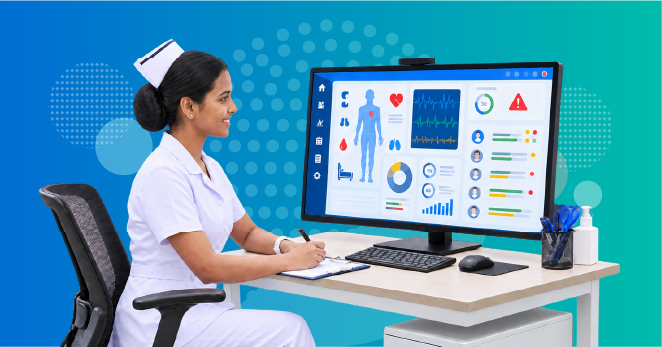
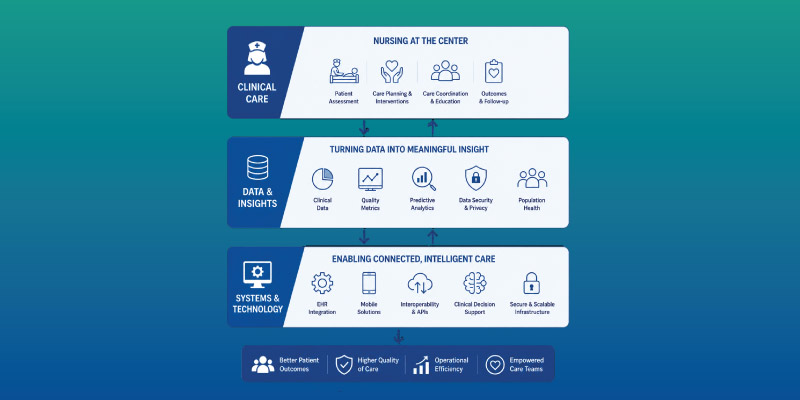
Nursing informatics is transforming how healthcare data is collected, managed, and applied in clinical settings. By integrating nursing science with information systems and data analytics, it enables more accurate decision-making and improves patient outcomes. As healthcare systems become increasingly digital, this field is emerging as a critical link between clinical care and technology-driven processes.
What is Nursing Informatics?
Nursing informatics is a specialized discipline that combines nursing knowledge with information technology to improve healthcare delivery.
It focuses on:
- Managing patient data efficiently
- Supporting clinical decision-making
- Enhancing communication between healthcare teams
- Improving documentation accuracy
Core Functions
- Data collection and analysis
- System implementation and optimization
- Clinical workflow improvement
- Patient data security and management
Goals
- Improve patient outcomes
- Increase efficiency in care delivery
- Reduce clinical errors
- Support evidence-based practice
The History of Nursing Informatics
The field began evolving alongside the adoption of electronic health records.
Key Milestones
- Early adoption of hospital information systems
- Introduction of digital documentation
- Development of clinical decision support systems
- Expansion of data analytics in healthcare
Over time, it has grown into a structured discipline with defined roles and competencies.
Nursing Informatics: Key Technologies & Concepts
It relies on multiple technologies.
Core Systems
- Electronic Health Records (EHR)
- Clinical Decision Support Systems
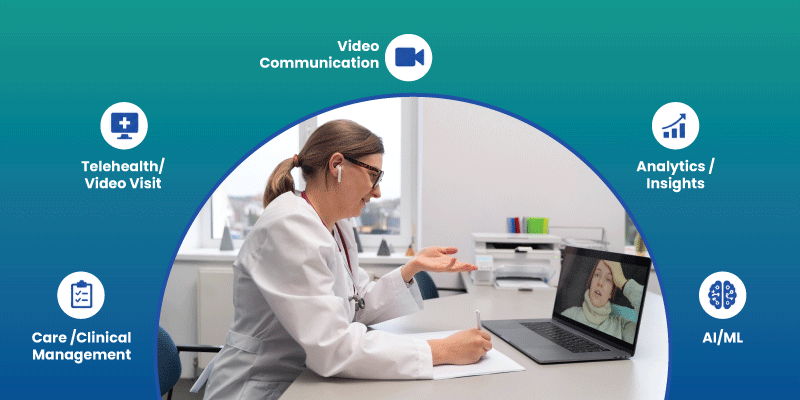
- Telehealth platforms
- Health information exchanges
Data and Analytics
- Predictive analytics
- Real-time monitoring
- Population health data
Security and Compliance
- Data privacy protocols
- Regulatory frameworks
- Secure information sharing
These technologies enable efficient and safe healthcare delivery.
Read also about Technology in Nursing
What is the Importance of Informatics in Nursing?
The importance lies in its ability to improve both clinical and operational outcomes.
Clinical Impact
- Better patient monitoring
- Faster diagnosis support
- Reduced medical errors
Operational Impact
- Improved workflow efficiency
- Reduced documentation burden
- Better resource allocation
System-Level Impact
| Area | Benefit |
| Patient safety | Reduced errors |
| Communication | Improved coordination |
| Data usage | Evidence-based care |
| Efficiency | Faster decision-making |
Evolving Role of Nursing Informatics in AI Era
AI and Patient Monitoring
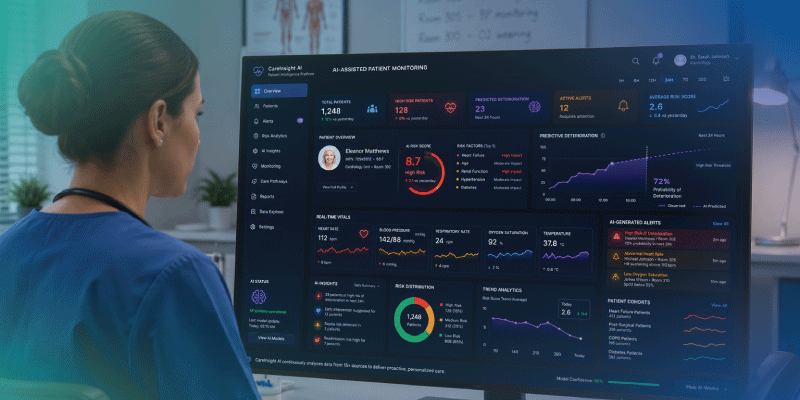
Artificial intelligence is enhancing the ability to track patient data in real time.
- Early detection of health deterioration
- Automated alerts
- Continuous monitoring systems
Challenges and Ethical Considerations
With increased reliance on data, challenges include:
- Data privacy concerns
- Algorithm bias
- Over-reliance on automated systems
Read also about Nursing Shortage
Case Studies and Real-World Examples
Examples include:
- AI-based early warning systems in hospitals
- Remote patient monitoring for chronic conditions
- Automated documentation tools
Future of Informatics in the AI Era
The integration of AI will continue to expand.
- Personalized care models
- Predictive healthcare systems
- Increased automation in workflows
Practical Applications of Informatics in Nursing
It is applied in everyday clinical settings.
- Digital documentation systems
- Medication management tools
- Patient monitoring systems
- Telehealth services
These applications improve efficiency and patient safety.
Read also about Community Health Nursing
Future Trends in Nursing Informatics
Several trends are shaping the future.
- Expansion of telehealth services
- Integration of wearable health devices
- Use of big data in population health
- Growth of mobile health applications
Read also about Telehealth Nursing
Why Choose a Nursing Informatics Specialization?
This field offers a combination of clinical and technological expertise.
Advantages
- Diverse career opportunities
- High demand across healthcare systems
- Opportunity to influence system-level change
What Does It Take to Work in Nursing Informatics?
Educational Requirements
- Nursing degree
- Specialized informatics training
- Certification programs
Skills Required
- Data analysis
- Technical proficiency
- Communication skills
- Problem-solving ability
What Is the Value of Nursing Informatics in Health Care?
The value extends across multiple levels.
- Enhances quality of care
- Supports evidence-based decision-making
- Improves patient safety
- Reduces operational inefficiencies
How Healthcare Facilities Benefit from Hiring Informatics Nurses
Key Benefits
- Improved data management
- Streamlined workflows
- Better compliance with regulations
- Enhanced patient outcomes
Conclusion
Nursing informatics plays a critical role in modern healthcare by bridging clinical practice and technology. As digital systems continue to evolve, this field will become increasingly important in improving patient outcomes and healthcare efficiency. Investing in informatics capabilities is essential for future-ready healthcare systems.
Read also about Nursing Side Hustles