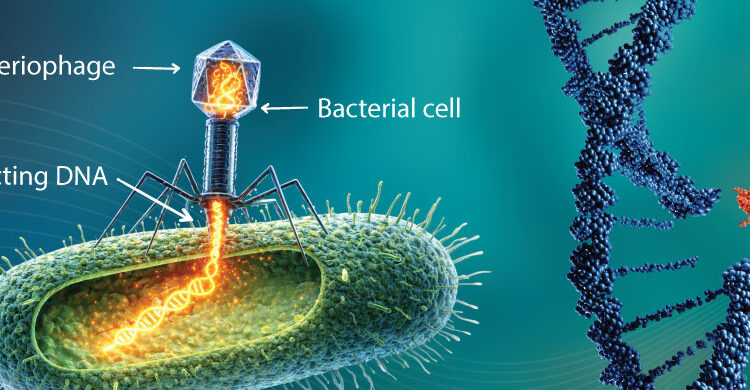
Genetic testing for rare diseases plays a critical role in identifying underlying causes of conditions that are often difficult to diagnose. Many rare diseases are genetic in origin, making targeted testing essential for accurate diagnosis, treatment decisions, and long-term management.
What Are Rare Diseases and Why Genetic Testing Matters
Rare diseases affect a small percentage of the population, yet collectively impact millions globally. Many are caused by mutations in a single gene, which makes diagnosis dependent on identifying specific genetic variations.
Diagnosis is often delayed due to non-specific symptoms and limited awareness. Patients may undergo multiple tests over several years before receiving clarity. Genetic testing reduces this diagnostic delay by directly analyzing the root cause at a molecular level.
What Is Genetic Testing for Rare Diseases?
Genetic testing involves analyzing DNA to identify mutations associated with specific conditions. In the context of rare diseases, it helps confirm suspected diagnoses or uncover previously undetected disorders.
Testing can be performed using blood, saliva, or tissue samples. Results provide insight into whether a condition is inherited, spontaneous, or linked to a broader genetic pattern.
Types of Genetic Tests Used in Rare Disease Diagnosis
Different testing methods are used based on clinical need:
- Single-gene testing: Targets a specific gene linked to suspected symptoms
- Gene panel testing: Examines multiple genes associated with a condition
- Whole exome sequencing: Focuses on protein-coding regions of DNA
- Whole genome sequencing: Provides a comprehensive analysis of the entire genome
Each approach varies in scope, cost, and diagnostic yield.
Benefits of Genetic Testing for Rare Diseases
Genetic testing provides measurable advantages:
- Enables earlier and more accurate diagnosis
- Reduces unnecessary or repetitive testing
- Guides targeted treatment strategies
- Supports family planning and risk assessment
It also improves access to clinical trials and emerging therapies.
The Genetic Testing Process
The process typically follows structured steps:
1. Clinical evaluation based on symptoms and history
2. Selection of appropriate test type
3. Sample collection and laboratory analysis
4. Interpretation of results by specialists
5. Follow-up consultation and care planning
This structured approach ensures results are clinically meaningful.
Who Should Consider Genetic Testing?
Testing may be recommended for:
- Individuals with unexplained or complex symptoms
- Patients with a family history of rare conditions
- Children with developmental delays
- Cases where standard diagnostic methods have failed
Clinical judgment determines the need and timing of testing.
Interpreting Genetic Test Results
Test results are categorized into three primary outcomes:
| Result Type | Meaning |
|---|---|
| Positive | Identifies a disease-causing mutation |
| Negative | No relevant mutation detected |
| VUS (Variant of Uncertain Significance) | Mutation detected but clinical relevance unclear |
Follow-up may include additional testing or monitoring, especially in cases with uncertain findings. Current limitations mean not all genetic causes can be identified.
Limitations and Challenges
Despite advancements, challenges remain:
- Not all mutations are detectable with current methods
- Interpretation of complex variants can be uncertain
- Limited availability in some regions
- Cost barriers in certain healthcare systems
These limitations highlight the need for continued research and infrastructure development.
Ethical, Legal, and Psychosocial Considerations
Genetic testing raises important considerations:
- Data privacy and confidentiality
- Potential psychological impact of results
- Implications for family members
- Risk of genetic discrimination
Clear communication and counseling are essential throughout the process.
Role of Genetic Testing in Precision Medicine
Genetic testing is a foundational component of precision medicine. By identifying specific mutations, clinicians can tailor treatment strategies to individual patients.
This approach improves treatment effectiveness and reduces trial-and-error prescribing. It also supports the development of targeted therapies for rare conditions.
Advances in Genetic Testing Technologies
Recent developments are improving accessibility and accuracy:
- Next-generation sequencing for faster analysis
- AI-driven tools for variant interpretation
- Integration with digital health systems
- Expanded genomic databases improving diagnosis rates
These advancements are increasing diagnostic success and reducing turnaround time.
Cost of Genetic Testing for Rare Diseases
Costs vary depending on the type of test and region.
| Test Type | Cost Range |
|---|---|
| Single-gene test | Lower cost |
| Gene panel | Moderate cost |
| Whole exome/genome sequencing | Higher cost |
Insurance coverage and public health programs influence affordability.
Genetic Testing in Special Scenarios
Certain situations require targeted application:
- Prenatal testing: Identifies genetic conditions before birth
- Newborn screening: Detects conditions early for timely intervention
- Carrier testing: Assesses risk of passing genetic conditions to offspring
These scenarios expand the role of testing beyond diagnosis.
Read also about Gene Therapy
Conclusion
Genetic testing for rare diseases is transforming how complex conditions are diagnosed and managed. While challenges remain, ongoing advancements in technology and data interpretation are improving accuracy and accessibility. Integrating genetic insights into clinical care is essential for achieving better outcomes in rare disease management.
Explore MDForlives for more data-driven healthcare insights and global perspectives:
Frequently Asked Questions
How accurate is genetic testing for rare diseases?
Accuracy depends on the test type and condition. Advanced sequencing methods offer high reliability, but not all mutations can currently be identified.

MDForLives is a global healthcare intelligence platform where real-world perspectives are transformed into validated insights. We bring together diverse healthcare experiences to discover, share, and shape the future of healthcare through data-backed understanding.