“I saw it online.”
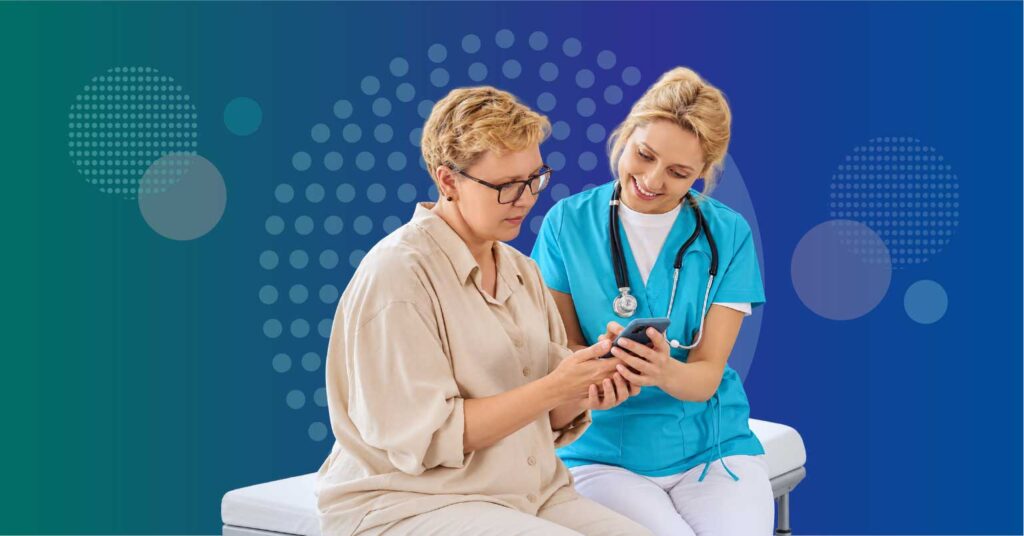
For nurses, that sentence can complicate a medication discussion, vaccine conversation, discharge explanation, or symptom assessment. The patient may have watched a short video, read a forum post, asked an AI chatbot, or heard a claim from family or friends. The information may be inaccurate or missing the clinical context needed to make it useful.
That makes health misinformation a point-of-care issue, not simply an online problem. Nurses may need to address a questionable claim while delivering treatment, explaining risk, answering questions, and preserving trust.
MDForLives surveyed nurses across the USA, UK, Canada, Italy, France, and Germany to understand how these conversations enter everyday care. The detailed findings are available in the MDForLives Health Misinformation in Nursing Insight Report.
This blog focuses on the practical conversation: when a patient brings information into care, what should the nurse understand before trying to correct it?
Start with the decision at risk
Health misinformation is already part of routine nursing work. In the MDForLives survey, 46.9% of nurses said they encounter unverified or misleading health information multiple times per shift or daily.
But not every inaccurate statement requires the same response. The useful first question is: what clinical decision is this belief affecting?
Nurses most frequently reported misconceptions involving prescription medicines, side effects, or vaccine safety. These are meaningful health misinformation examples because they can influence whether a patient accepts treatment, takes a medicine, agrees to vaccination, or follows discharge advice.
A patient may mention an unusual wellness claim without changing care. Another may refuse prescribed medicine because of something they saw online. The second situation carries a different level of clinical importance.
For nurses, prioritizing the decision at risk can keep the conversation focused without trying to correct every questionable claim the patient has encountered.
Ask where the claim came from
Once the clinical impact is clear, the source matters.
Health misinformation on social media is an important part of the problem. In the survey, 44.8% identified short-form social media as the source posing the greatest barrier to effective care. Family and friends, online peer groups, and unvetted AI tools were also reported sources.
That distinction matters because patients do not assign credibility in the same way.
A family member may be trusted because of personal experience. An influencer may feel relatable. A support group may provide emotional reassurance. An AI answer may sound confident and technically precise.
This is part of the growing concern over the credibility of online medical resources. The challenge is not simply that health information is widely available. It is that useful evidence, personal experience, advertising, opinion, and misinformation can appear in similar formats.
Before correcting the claim, asking where it came from can help explain why the patient believes it.
Preserve trust before correcting the conclusion
Knowing the source does not mean agreeing with it.
The MDForLives survey found that 57.6% of nurses selected acknowledging the patient’s concern first and then pivoting evidence as the most effective strategy for maintaining trust.
That is different from validating inaccurate information. The nurse can recognize the concern while still challenging the conclusion:
What did you hear? What worried you about it? Has it changed how you feel about the treatment?
Those questions help expose the actual belief before the nurse begins explaining evidence.
From there, information can be presented in clear language and connected to reliable sources of information about health. Teach-back can help determine whether the explanation was understood rather than simply delivered.
The deeper point is that factchecking alone may not resolve the issue if the patient feels dismissed. Evidence remains essential, but trust can determine whether the patient is willing to engage with it.
When misinformation changes care, the conversation becomes harder
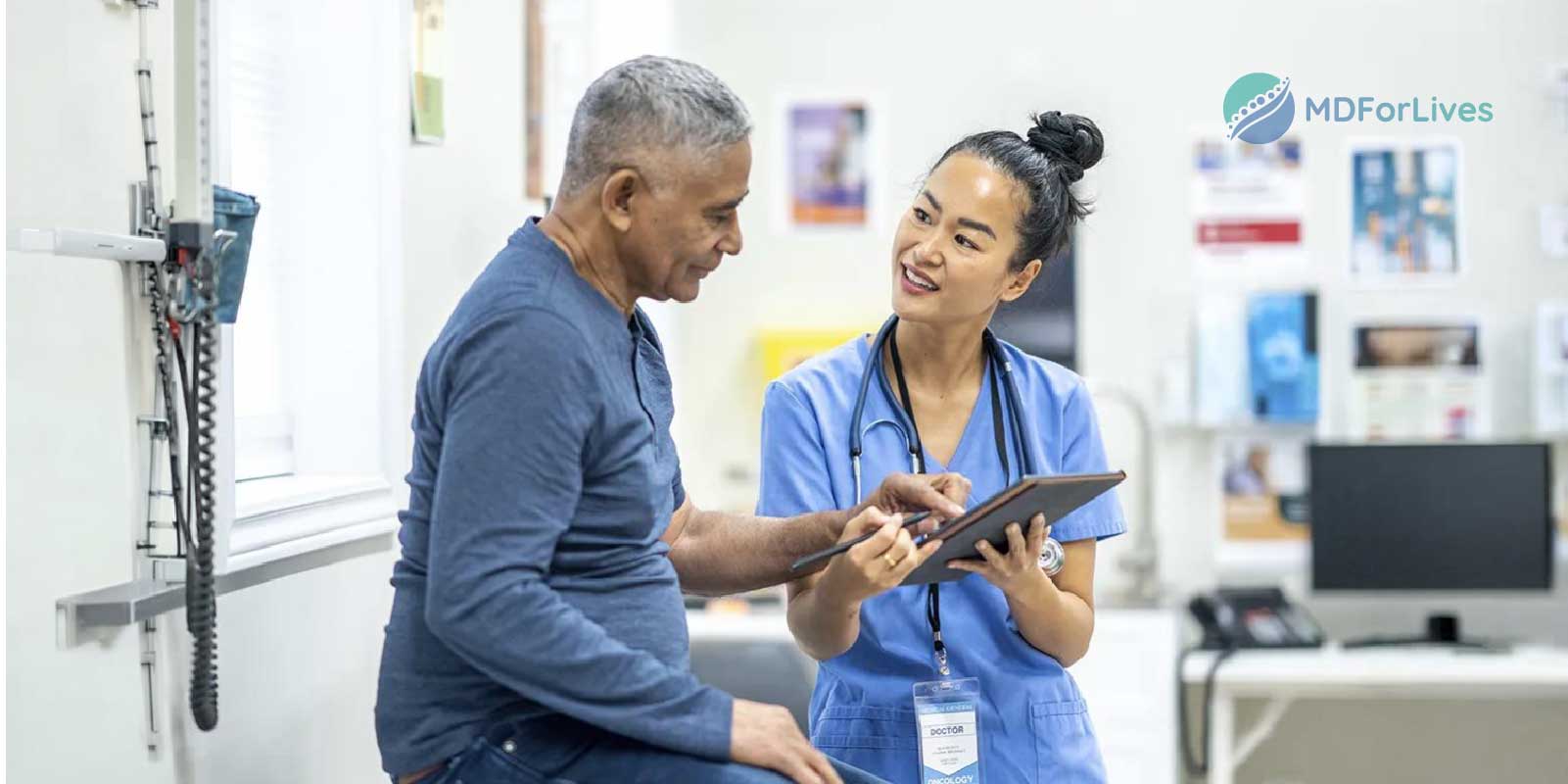
Some misinformation conversations remain educational. Others move into hesitation, refusal, or conflict.
The survey suggests that nurses generally feel capable of de-escalating these situations, but the most common confidence level was moderate rather than complete.
That makes sense clinically. Once misinformation begins influencing treatment decisions, the nurse may be balancing patient autonomy, immediate risk, family influence, emotional escalation, and the need to involve another professional.
Not every conversation should remain solely with one nurse.
As these conversations increasingly involve digital health information, Nursing Informatics can also support how nurses access and manage information within clinical workflows
Pharmacists may be useful when medication claims are involved. Physicians or advanced practitioners may need to revisit treatment risks and benefits. Interpreters, educators, ethics teams, or other specialists may also be appropriate depending on the situation.
The practical skill is therefore not only knowing how to correct medical misinformation. It is knowing when bedside education is enough and when the issue requires broader support.
Time can become the real barrier
A careful misinformation conversation takes attention.
The nurse may need to listen, identify the source, explain evidence, answer questions, check understanding, involve family, and sometimes return to the issue later. In the MDForLives survey, 47.8% identified lack of time because of workload or staffing ratios as the biggest obstacle to effective patient education.
That finding shifts the issue from individual communication skills to workflow.
That finding shifts the issue from individual communication skills to workflow. This also highlights how nurse workload can affect the time and attention available for complex patient education conversations.
A nurse may know what to say but still be balancing medication rounds, documentation, admissions, discharge work, monitoring, and other patients requiring immediate attention.
If misinformation correction repeatedly competes with essential care, the solution cannot be training alone. The organizational question becomes: does the nurse have the time and backup required to have the conversation properly?
Give nurses support they can use immediately
The support nurses requested reflects that practical need.
Patient-facing digital or printed toolkits in plain language were the leading organizational support, followed closely by access to dedicated patient educators or health-literacy specialists.
The common theme is usability. Nurses do not simply need more information. They need credible information that can be used quickly during a real patient interaction.
Beyond clinical resources, nurses may also find opportunities to share their professional perspectives through paid surveys for nurse programs and healthcare research.
For recurring myths about medicines, vaccines, supplements, or treatments, concise resources can stop every conversation from beginning from zero. Training in health literacy, motivational interviewing, teach-back, and de-escalation can strengthen communication, while clear escalation pathways give nurses somewhere to turn when the issue exceeds what can reasonably be resolved during the shift.
The aim is not to remove nurses from patient education. It is to make effective education easier to deliver.
Closing perspective: online claims become real at the bedside
Health misinformation may begin on social media, in a family conversation, through an influencer, in a peer group, or from an AI-generated answer.
Its clinical impact often becomes visible at the bedside. That is where a medication claim becomes hesitation, a vaccine myth becomes refusal, or an online self-diagnosis begins shaping how a patient interprets symptoms.
The practical nursing response is therefore broader than factchecking: identify the decision at risk, understand where the belief came from, preserve trust, explain evidence clearly, check understanding, and escalate when the situation requires more support.
Healthcare organizations have a role as well. If nurses are expected to counter health misinformation, they need reliable patient-facing resources, communication support, clear referral pathways, and enough time to use them.