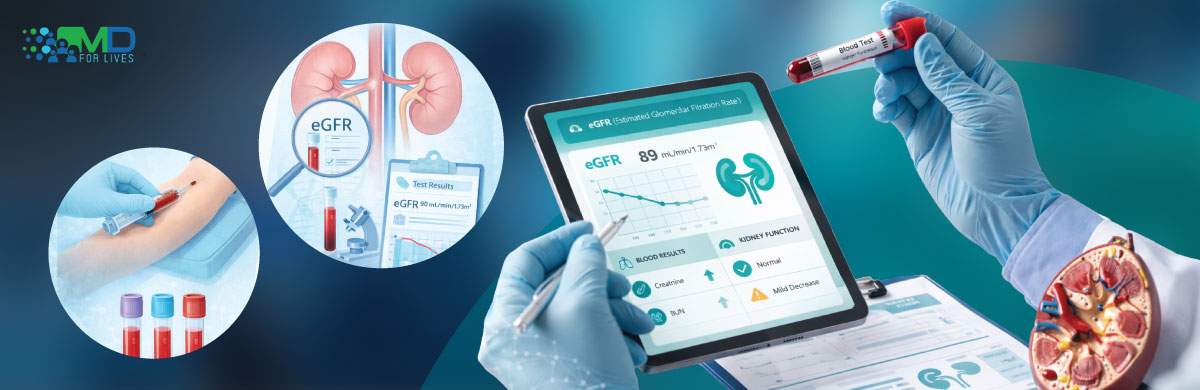
Chronic kidney disease stages describe how kidney function gradually declines over time. CKD is a long-term condition in which the kidneys lose their ability to filter waste and excess fluid from the blood effectively. Understanding what the stages of chronic kidney disease are helps patients and healthcare providers monitor kidney health, detect complications early, and apply appropriate treatments. Early detection and management can significantly slow progression and improve quality of life.
What Is Chronic Kidney Disease (CKD)?
Chronic kidney disease, commonly referred to as CKD, is a progressive condition where kidney function gradually declines. Healthy kidneys remove waste, regulate electrolytes, and help maintain fluid balance. When kidney function decreases, waste products accumulate in the body. CKD often develops slowly and may not show noticeable symptoms in the early phases. Because of this, many individuals remain unaware of kidney damage until the disease has progressed. Common causes of CKD include:
- Diabetes
- High blood pressure
- Chronic inflammation of the kidneys
- Genetic conditions such as polycystic kidney disease
- Long-term use of certain medications
Understanding the phases of kidney disease helps guide monitoring and treatment decisions.
How Kidney Function Is Measured
Doctors use several diagnostic tools to evaluate kidney function and determine CKD stages.
What Is eGFR? (Estimated Glomerular Filtration Rate)
The estimated glomerular filtration rate, or eGFR, measures how well the kidneys filter blood. It is calculated using blood creatinine levels along with factors such as age and sex. The eGFR score helps doctors determine chronic kidney disease classification and identify which CKD stage a patient is in. Higher eGFR values indicate better kidney function.
Albuminuria & Urine Tests
Urine tests detect the presence of albumin, a type of protein that should normally remain in the bloodstream. When kidneys are damaged, protein may leak into urine. Persistent albumin in urine is an important early marker of kidney disease.
Other Tests
Additional tests may include:
- Blood tests for electrolyte balance
- Kidney imaging studies
- Blood pressure monitoring
- Kidney biopsy in certain cases
These evaluations provide a comprehensive understanding of kidney health.
What Do the Stages of Chronic Kidney Disease Refer To?
CKD stages are categorized according to eGFR values. Each stage represents a different level of kidney function.
Stage 1 of CKD (eGFR of 90 or greater)
In chronic kidney disease stage 1, kidney function is still normal or near normal, but there are signs of kidney damage such as protein in urine. Most individuals at this stage do not experience symptoms. Management focuses on controlling risk factors and preventing further damage.
Stage 2 of CKD (eGFR between 60 and 89)
Chronic kidney disease stage 2 indicates mild loss of kidney function. Early signs may begin to appear, although many patients still feel well. Doctors typically recommend monitoring kidney function regularly and addressing underlying causes such as diabetes or hypertension.
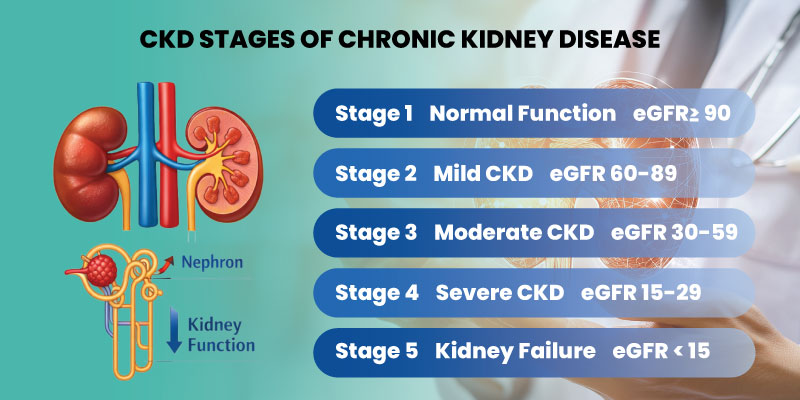
Stage 3 of CKD (eGFR between 30 and 59)
Chronic kidney disease stage 3 is often divided into stage 3A and stage 3B. At this stage, kidney function declines more noticeably and symptoms may begin to develop. Possible symptoms include:
- Fatigue
- Fluid retention
- Changes in urination patterns
- Mild anemia
Stage 3 kidney disease treatment often includes medications, dietary adjustments, and blood pressure management.
Stage 4 of CKD (eGFR between 15 and 29)
Chronic kidney disease stage 4 represents severe loss of kidney function. Waste products begin accumulating in the bloodstream, which can lead to more noticeable symptoms. Patients may experience:
- Swelling in hands or feet
- Increased fatigue
- Difficulty concentrating
- Changes in appetite
At this stage, doctors begin preparing patients for possible kidney replacement therapies such as dialysis or transplantation.
Stage 5 of CKD (eGFR less than 15)
Chronic kidney disease stage 5 is also known as kidney failure. Kidney function has declined significantly, and the body cannot effectively remove toxins. Treatment options may include:
- Dialysis
- Kidney transplantation
- Supportive medical management
Understanding stages of kidney failure helps guide appropriate treatment decisions.
What Causes Chronic Kidney Disease, Signs & Symptoms by Stage
The causes of CKD often vary among individuals. Common causes include:
- Diabetes
- High blood pressure
- Autoimmune kidney diseases
- Long-term medication use
- Genetic kidney disorders
Symptoms may develop gradually as kidney function declines. Early CKD stages may show no symptoms, while later stages may include fatigue, swelling, nausea, or difficulty concentrating.
Risk Factors During Chronic Kidney Disease Stage Progression
Several factors increase the risk of CKD development and progression. Key risk factors include:
- Diabetes
- Hypertension
- Obesity
- Family history of kidney disease
- Smoking
- Cardiovascular disease
Managing these risk factors plays a crucial role in preventing disease progression.
For individuals diagnosed with diabetes, understanding strategies for living with diabetes and protecting kidney health is essential, as long-term blood sugar control plays a major role in preventing CKD progression.
Treatment and Management at Each Stage
Treatment strategies vary depending on CKD stage.
Early Stage Management
Early CKD management focuses on slowing progression through:
- Blood pressure control
- Blood sugar management
- Healthy diet
- Regular kidney monitoring
- Medication adjustments
Lifestyle interventions play a significant role in maintaining kidney health.
Patients with diabetic kidney disease may also benefit from exploring real-world insights on diabetes technology management, including how digital monitoring tools support blood sugar control and long-term complication prevention.
Preparing for Renal Replacement Therapy
For advanced CKD stages, patients may need to prepare for renal replacement therapies such as dialysis or kidney transplantation. Planning early allows patients and healthcare providers to explore treatment options and maintain quality of life.
When to See a Specialist
Referral to a nephrologist may be recommended when:
- eGFR declines significantly
- Symptoms worsen
- Complications develop
Specialists help guide advanced treatment and monitoring.
Complications & What to Watch For
As CKD progresses, complications may arise. These may include:
- Cardiovascular disease
- Anemia
Understanding anemia-related complications in chronic disease is important because declining kidney function can reduce erythropoietin production, increasing the risk of anemia and related symptoms such as fatigue and weakness.
- Bone disease
- Electrolyte imbalance
- Fluid overload
Monitoring kidney health regularly helps detect complications early.
Preventing Progression of CKD
Although CKD may not always be reversible, progression can often be slowed through preventive strategies. Helpful practices include:
- Managing blood pressure
- Controlling blood sugar levels
- Maintaining healthy weight
- Avoiding excessive medication use
- Following medical advice for kidney health
Early diagnosis is one of the most effective ways to prevent severe kidney damage.

Living With CKD – Practical Tips
Living with CKD requires ongoing lifestyle adjustments. Helpful strategies include:
- Following a kidney friendly diet
- Staying physically active
- Monitoring blood pressure regularly
- Taking medications as prescribed
- Attending routine medical appointments
Patient education and regular monitoring support better long term outcomes.
Many patients with advanced kidney disease also seek guidance on pain management strategies for chronic conditions, particularly when symptoms or comorbidities affect daily quality of life.
Conclusion
Understanding chronic kidney disease stages allows individuals and healthcare providers to detect kidney problems early and implement appropriate management strategies. By recognizing risk factors, monitoring kidney function, and adopting preventive lifestyle practices, patients can slow disease progression and improve long term health outcomes.
Frequently Asked Questions
Can chronic kidney disease be reversed in early stages?
Early kidney damage may sometimes be stabilized or slowed through lifestyle changes and medical management, although complete reversal is not always possible.
How fast does chronic kidney disease progress?
Progression varies depending on the underlying cause, lifestyle factors, and treatment adherence. Some patients experience slow progression over many years.
At what stage of CKD do symptoms usually start?
Symptoms often begin appearing during stage 3 kidney disease, although some individuals may experience symptoms earlier or later.
What eGFR level indicates kidney failure?
Kidney failure generally occurs when the eGFR falls below 15, which corresponds to chronic kidney disease stage 5.
What are the survival rates for stage 4 kidney disease?
Survival rates vary depending on age, underlying health conditions, and treatment options. Early management and preparation for kidney replacement therapy can significantly improve outcomes

MDForLives is a global healthcare intelligence platform where real-world perspectives are transformed into validated insights. We bring together diverse healthcare experiences to discover, share, and shape the future of healthcare through data-backed understanding.