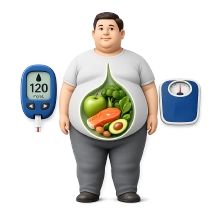
Diabetes Patient Insight Report

Living With Diabetes: What Makes Long-Term Management Harder

A patient-centered look at how energy, food choices, glucose control, treatment burden, long-term concerns, and daily routines shape the experience of staying on diabetes treatment.

Audience: People living with diabetes

Countries: 6

Completion Rate: 71.5%

SGID: 8981038

-Hero findings

0 %
say maintaining lifestyle changes is the hardest part of long-term diabetes management.
say improved glucose or HbA1c most influences their decision to continue treatment.
0 %
say fatigue or low energy is the diabetes-related issue that affects daily life the most.
0 %
say inadequate glucose control is the biggest limitation of their current diabetes treatment.
0 %
say fewer treatment side effects would be the future improvement that helps them most.
0 %

– Quick Read — Key Findings

When diabetes care becomes part of every meal, routine, and decision, what makes it hardest to keep going?

Diabetes management happens every day, not only at the clinic.

For people living with diabetes, treatment is rarely a single action. It can involve medicines, glucose checks, food choices, physical activity, planning around work or travel, and deciding when a change in symptoms or glucose levels needs clinical attention.


The CDC describes living with diabetes as fitting self-care around family, work, school, holidays, and the rest of life, and NIDDK emphasizes that a diabetes plan has to work for the individual, since glucose control, medicines, eating, activity, sleep, and emotional well-being all interact. The MDForLives survey adds the patient perspective across six countries: what affects daily life most, which outcomes patients value, what limits current treatment, what they do when it is not working, what worries them long term, and what would make future care easier.

MDForLives interpretation: The patient experience is not only about whether a medicine lowers glucose. Long-term management has to fit into everyday life well enough for people to keep doing it.

Fatigue and food restrictions are more visible day to day than emotional stress.

Diabetes can enter the day through energy levels, meal planning, medication timing, monitoring, and the need to anticipate glucose changes. The burden is practical as much as clinical.


Fatigue or low energy is the most selected daily-life issue at 38.7%, followed closely by food or dietary restrictions at 35.1%, then medication or monitoring burden at 23.4% and emotional stress at 2.7%. So everyday friction most often shows up through what people can eat, how they feel, and how much planning treatment requires, experiences that can persist even when the plan is clinically appropriate.

Why this matters: A care plan that ignores energy, food routines, and day-to-day effort can feel difficult to sustain even when the clinical target is clear.

Patients put glucose stability first, but also want to feel better day to day

Treatment goals can sound technical in the clinic, but patients experience them through fewer highs and lows, better energy, fewer frightening episodes, and confidence that complications are being reduced.


43.2% say stable blood glucose matters most, followed by better daily energy at 23.4%, lower complication risk at 19.8%, and fewer hypoglycemic episodes at 13.5%. That hierarchy links clinical control with lived experience: glucose stability leads, but nearly as much of the story is about energy, safety, and the future.

MDForLives interpretation: Patients appear to judge treatment through both numbers and how those numbers translate into everyday function and reassurance.

Inadequate glucose control leads the limitation list, with side effects and complexity close behind.

A treatment can be difficult for different reasons: it may not control glucose well enough, it may cause side effects, it may feel complicated, or the routine may be hard to follow consistently.


31.5% identify inadequate glucose control as the main limitation, with side effects at 27.9%, treatment complexity at 23.4%, and difficulty following the regimen at 17.1%. This shows why persistence cannot be reduced to motivation, a patient may be trying to follow treatment while also weighing effectiveness, tolerability, complexity, and the demands of the routine.

Why this matters: When several sources of friction occur together, simplifying the routine or improving tolerability may be as important to the patient experience as changing the medicine itself.

Most patients seek help, but a meaningful minority first change lifestyle or wait

The moment a patient feels treatment is not working can lead to several different next steps. Some seek clinical review, some adjust lifestyle, some ask about changing treatment, and some continue without a change.


42.3% contact their healthcare provider, 29.7% adjust lifestyle changes, 18.9% ask about changing treatment, and 9.0% continue their current treatment. This matters because a treatment problem may not reach the care team immediately, and what the patient does first can shape how quickly the underlying issue is reviewed.

MDForLives interpretation: Easy access to timely clinical advice can help turn a vague sense that treatment is failing into a clear decision about glucose, side effects, adherence, or the need for a treatment change.

The hardest part is not one appointment or prescription; it is maintaining the routine over time

Long-term diabetes care asks people to repeat healthy choices and treatment routines over months and years, often while managing work, family, travel, cost, fatigue, and changing health needs.


52.3% say maintaining lifestyle changes is the hardest part of long-term management, ahead of treatment access at 17.1%, treatment fatigue at 16.2%, and medication costs at 14.4%. The open responses make that concrete, patients describe hypoglycemia, unpredictable highs and lows, fatigue, gastrointestinal symptoms, dietary restrictions, and effects on social life, while a few report little disruption or clear benefit, so the experience is not uniformly negative.

What patients want next: Fewer treatment side effects leads future improvement preferences at 29.7%, followed by more personalized treatment at 25.2%, better quality-of-life outcomes at 24.3%, and easier glucose monitoring at 20.7%.

For patients, successful diabetes management has to work in the body and in the routine.

The survey shows a strong desire for glucose stability alongside what makes that goal hard to live with: fatigue and food restrictions shape daily life, inadequate control, side effects, and complexity can weaken confidence in the plan, and over the long term maintaining lifestyle changes becomes the most selected challenge. Patients are not passive when treatment feels wrong, contacting a provider is the most common response, and improved glucose or HbA1c is the strongest reason they give for continuing.


The bigger story is fit. Diabetes care needs to be effective enough to produce meaningful control, tolerable enough to continue, understandable enough to manage, and flexible enough to coexist with meals, work, travel, family, and the rest of life.

// at a glance
Total Survey Records
151
Countries Covered
6
Specialty
Diabetes Patients
Published Date
12 September 2026
Completion Rate
71.5%
Survey ID
8981038
// browse categories

You have read the summary

Explore the Full Report.
Contribute to the next one.

Access the complete report or join MDForLives to share your perspectives in future healthcare research.

Frequently asked questions

Direct answers to common questions about glucose control, treatment side effects, lifestyle changes, hypoglycemia, and long-term diabetes care.

Why can diabetes make you feel tired or low on energy?

High or low glucose levels can contribute to tiredness, and diabetes management itself can also affect sleep, meals, activity, and daily routines. Persistent fatigue should be discussed with a healthcare professional because it can have many causes.

Keeping glucose within an individualized target range can reduce symptoms from highs and lows and helps lower the risk of diabetes-related complications over time. Targets vary, so they should be agreed with the care team.

Contact your healthcare team rather than changing or stopping prescribed treatment on your own. They can review glucose patterns, medicines, food, activity, side effects, and other factors before recommending changes.

Some diabetes medicines, especially insulin and certain medicines that increase insulin release, can cause hypoglycemia. Ask your healthcare team how to recognize, prevent, and treat low glucose based on your treatment plan.

Healthy eating, physical activity, sleep, monitoring, and medication routines have to fit around real life. Sustainable plans usually work better when they are practical, gradual, personalized, and supported by the healthcare team.

Diabetes can affect the heart and blood vessels, kidneys, eyes, nerves, and feet. Regular monitoring and management of glucose, blood pressure, cholesterol, and other risk factors can help prevent or delay complications.

Direct answers to the questions healthcare professionals are most likely to ask about these findings.

Scroll to Top