Birth defect prevention focuses on reducing the risk of structural or functional abnormalities that develop before a baby is born. While not all birth defects can be prevented, many risks can be reduced through healthy lifestyle choices, proper nutrition, and early prenatal care. Understanding reasons for birth defects, knowing how to avoid birth defects during pregnancy, and recognizing risk factors such as maternal age or environmental exposure can help parents make informed health decisions.
What Are Birth Defects?
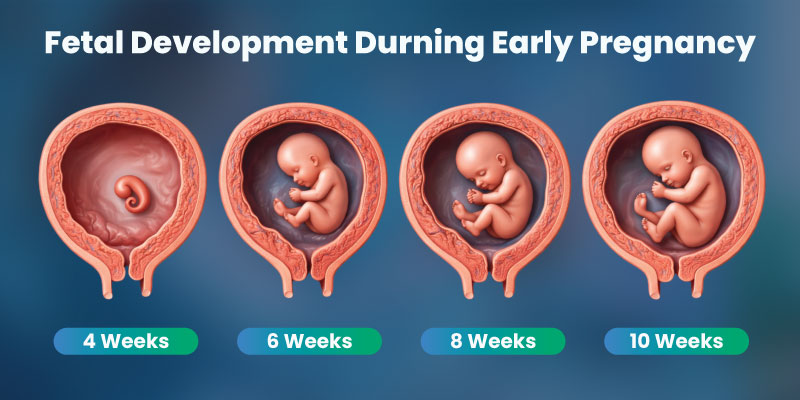
Birth defects are structural or functional abnormalities that develop during pregnancy, often during the early weeks of fetal development.
These conditions may affect:
- The heart
- The brain and nervous system
- Limbs and skeletal structures
- Metabolic functions
Some common birth defects include:
- Congenital heart defects
- Neural tube defects such as spina bifida
- Cleft lip or cleft palate
- Down syndrome
Many birth defects occur in the first trimester when organs are forming.
Reasons for Birth Defects
Understanding the reasons for birth defects helps identify ways to reduce risk.
Birth defects may occur due to:
Genetic Factors
Some birth defects result from inherited genetic conditions or chromosomal abnormalities.
Examples include:
- Down syndrome
- Tay-Sachs disease
- Certain metabolic disorders
Environmental Exposures
Exposure to harmful substances during pregnancy may increase the chance of birth defects.
Examples include:
- Alcohol use
- Smoking and birth defects linked to tobacco exposure
- Certain medications
- Environmental toxins
Nutritional Deficiencies
Deficiencies in key nutrients can affect fetal development.
One of the most studied examples is folic acid and birth defects, particularly neural tube defects.
Maternal Health Conditions
Certain maternal medical conditions can increase risk, including:
- Diabetes
- Obesity
- Infections during pregnancy
- Thyroid disorders
Managing health conditions before pregnancy reduces potential risks.
How to Prevent Birth Defects
Although not all birth defects can be prevented, several steps can significantly lower the risk.
Take Folic Acid Before and During Pregnancy
Research consistently shows that folic acid and birth defects are strongly linked.
Folic acid supports proper development of the neural tube, which later becomes the brain and spinal cord.

Health guidelines commonly recommend:
- 400 micrograms of folic acid daily before pregnancy
- Continued supplementation during early pregnancy
Adequate folic acid intake reduces the risk of neural tube defects.
Avoid Smoking and Alcohol
Exposure to tobacco and alcohol during pregnancy can harm fetal development.
Studies show a clear relationship between smoking and birth defects, including:
- Heart defects
- Cleft lip and palate
- Growth restriction
Avoiding these substances significantly improves pregnancy outcomes.
Maintain a Healthy Diet
Proper nutrition supports fetal development.
A balanced prenatal diet should include:
- Fruits and vegetables
- Whole grains
- Protein sources
- Prenatal vitamins
Adequate intake of essential nutrients reduces complications during pregnancy.
Manage Chronic Health Conditions
Conditions such as diabetes or hypertension should be controlled before and during pregnancy.
Working with healthcare providers helps ensure safe medication use and effective management.
Attend Regular Prenatal Care
Routine prenatal checkups help doctors monitor fetal development and identify potential complications early.
Prenatal screening tests may detect certain conditions during pregnancy.
Risk of Birth Defects by Age
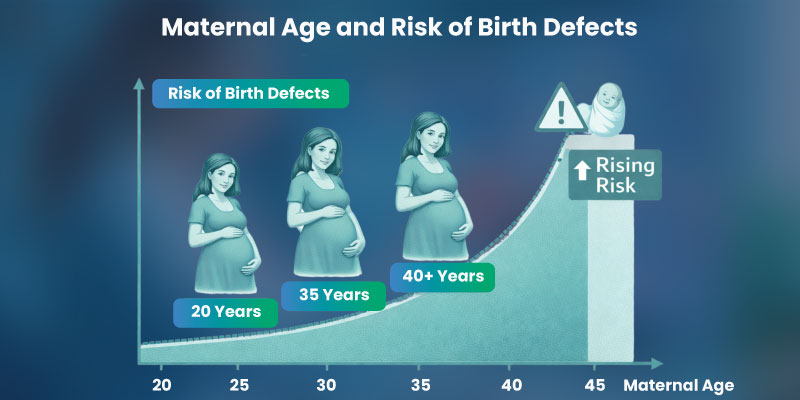
Maternal age is one factor associated with birth defect risk.
Understanding the risk of birth defects by age helps guide pregnancy planning.
Younger Mothers
Younger mothers generally have lower risks of chromosomal abnormalities, although birth defects can still occur.
Advanced Maternal Age
The term advanced maternal age birth defects refers to increased risks associated with pregnancy at age 35 or older.
Some conditions associated with maternal age include:
- Down syndrome
- Chromosomal abnormalities
- Pregnancy complications
The chance of birth defects increases gradually with maternal age, although many pregnancies remain healthy.
Birth Defects by Maternal Age
Studies show a measurable relationship between maternal age and chromosomal conditions.
For example:
- Women under 30 generally have lower risk of chromosomal abnormalities
- Risk increases slightly after age 35
- Risk continues to rise gradually with age
Prenatal screening and genetic counseling may be recommended for older mothers.
Birth Defects from Older Fathers
Although maternal age receives more attention, research also examines birth defects from older fathers.
Advanced paternal age has been associated with a higher risk of certain conditions, including:
- Autism spectrum disorders
- Genetic mutations
- Some rare congenital conditions
However, paternal age typically contributes less risk than maternal age.
Common Birth Defects and Their Causes
Understanding common birth defects helps identify prevention opportunities.
Some frequently diagnosed birth defects include:
Congenital Heart Defects
These are among the most common congenital conditions and affect the heart’s structure.
Neural Tube Defects
Conditions such as spina bifida occur when the neural tube fails to close properly.
Adequate folic acid intake significantly reduces risk.
Cleft Lip and Cleft Palate
These occur when facial structures do not form correctly during early development.
Smoking, certain medications, and genetic factors may contribute.
Additional Ways to Avoid Birth Defects During Pregnancy
Several additional precautions can help avoid birth defects during pregnancy.
Recommended strategies include:
- Avoiding harmful chemicals and toxins
- Limiting exposure to radiation
- Taking medications only under medical supervision
- Preventing infections through vaccination and hygiene
- Maintaining healthy body weight before pregnancy
These steps support healthy fetal development.
Preconception Health and Birth Defect Prevention
Planning pregnancy allows parents to reduce potential risks before conception.
Preconception health strategies may include:
- Genetic counseling
- Reviewing medications with healthcare providers
- Updating vaccinations
- Improving nutrition and lifestyle habits
Early planning improves the chances of a healthy pregnancy.
When to Seek Medical Advice for Birth Defect Prevention?
Couples planning pregnancy may benefit from medical consultation if they have:
- Family history of genetic disorders
- Previous pregnancy complications
- Chronic medical conditions
- Concerns about age related risks
Healthcare providers can recommend screening tests and preventive strategies for birth defect prevention.
Conclusion
Birth defect prevention begins before pregnancy and continues throughout prenatal care. Although some birth defects occur due to genetic factors that cannot be prevented, many risks can be reduced through healthy lifestyle choices, proper nutrition, and regular medical care. Understanding how to prevent birth defects, recognizing reasons for birth defects, and following recommended health practices help improve pregnancy outcomes and support healthy fetal development.
Read also about Cervical Cancer Prevention
Frequently Asked Questions
What are the most common causes of birth defects?
Birth defects may result from genetic factors, environmental exposures, maternal health conditions, or nutritional deficiencies.
How can birth defects be prevented during pregnancy?
Taking folic acid, avoiding smoking and alcohol, maintaining a healthy diet, and attending prenatal care appointments can reduce risk.
Does maternal age increase birth defect risk?
Yes. The risk of certain chromosomal conditions increases with maternal age, especially after age 35.
Can smoking cause birth defects?
Yes. Smoking during pregnancy has been linked to several birth defects and developmental complications.
Does folic acid help prevent birth defects?
Yes. Adequate folic acid intake before and during early pregnancy reduces the risk of neural tube defects.

MDForLives is a global healthcare intelligence platform where real-world perspectives are transformed into validated insights. We bring together diverse healthcare experiences to discover, share, and shape the future of healthcare through data-backed understanding.