Antibiotics and Gut Health: Clinical Implications and Recovery Strategies
Antibiotics and gut health are closely linked because antibiotics disrupt the balance of bacteria in the intestinal microbiome. While...

Antibiotics and gut health are closely linked because antibiotics disrupt the balance of bacteria in the intestinal microbiome. While...
Phage therapy is an innovative medical treatment that uses viruses called bacteriophages to destroy harmful bacteria. As antibiotic resistance...
Hemolytic anemia is a condition in which red blood cells are destroyed faster than the body can replace them....

Hurler syndrome (also called mucopolysaccharidosis type 1, Hurler variant [MPSIH]), is a genetic disorder that causes abnormal musculoskeletal development,...

Bioterrorism is the deliberate and planned use of pathogenic strains of microorganisms such as bacteria, viruses, or their toxins...

Bleeding disorders are a group of conditions characterized by an inability to create a proper blood clot. Excessive bleeding...
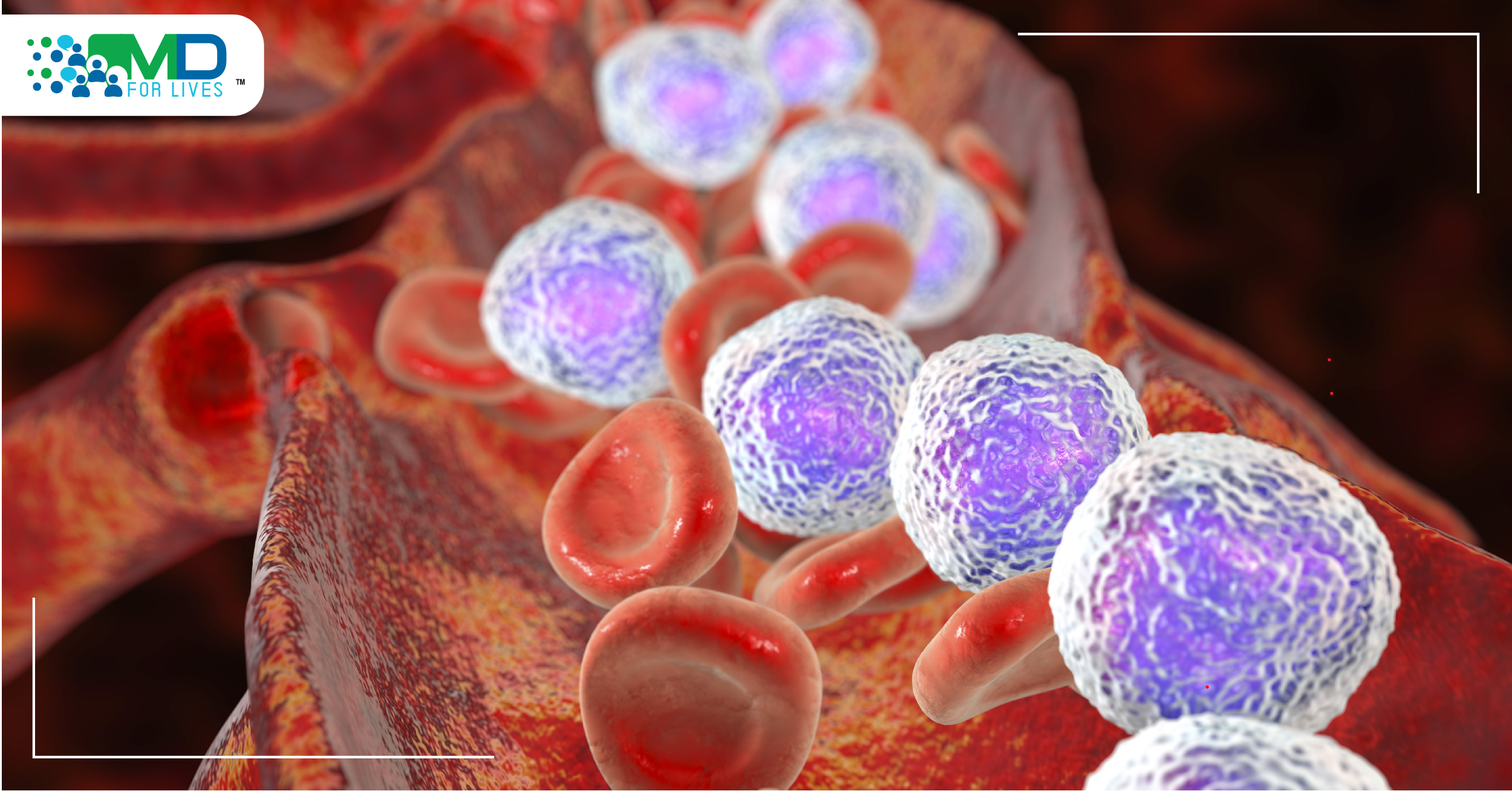
Hematological cancers were among the first to be discovered to have abnormal demethylation status. Excretion of epigenetic DNA modification...
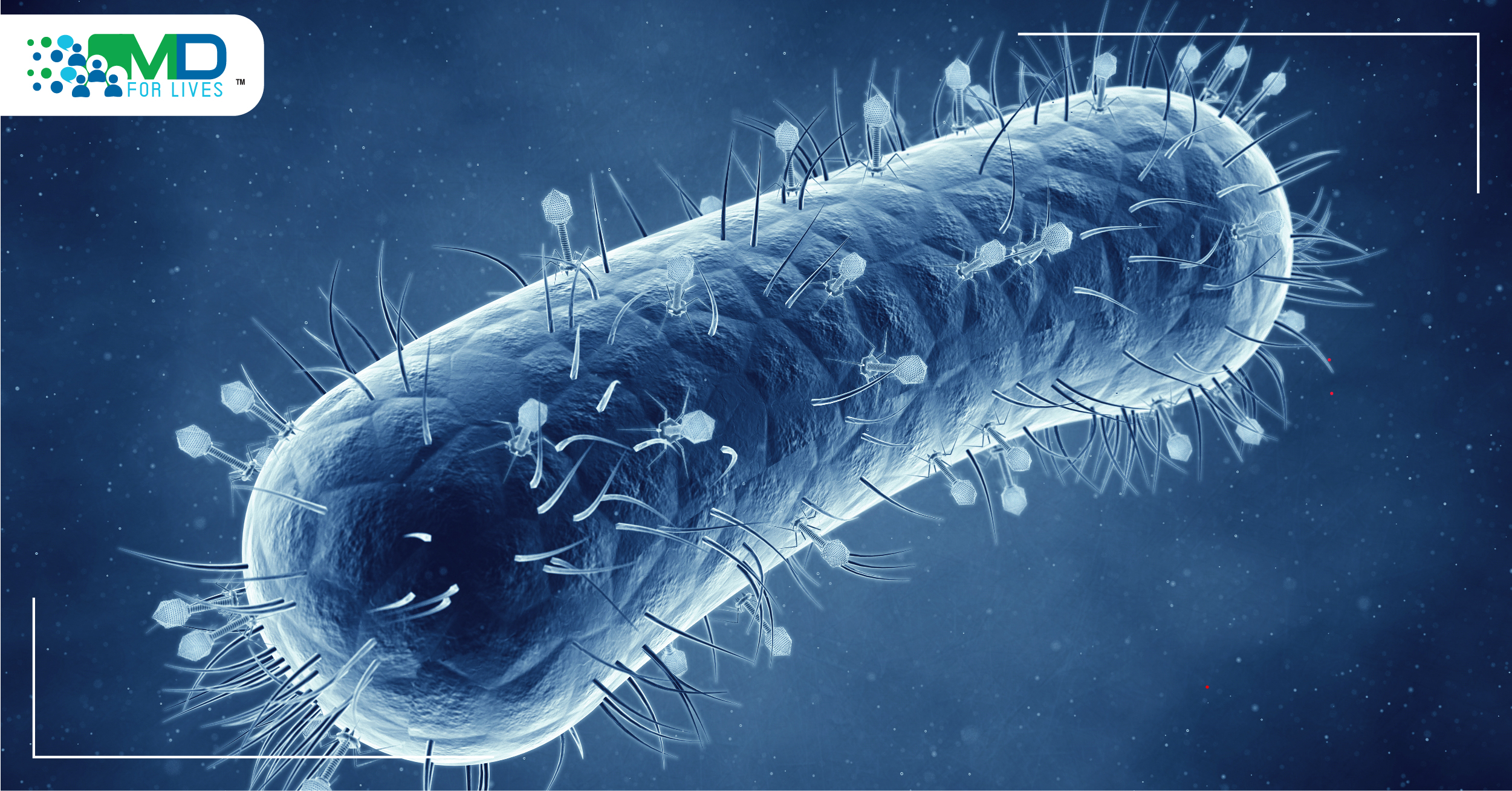
Phage therapy – the treatment of bacterial infections with viruses that attack those bacteria – was used in the...

For several years we have approached a ‘standard of care’ (SOC) for the treatment of metastatic HER2-positive breast cancer....
Parkinson’s disease, the most common neurodegenerative movement disorder has growing prevalence with the age. Due to increasing life expectancy...