Cervical cancer prevention is one of the most effective examples of modern preventive medicine. Most cervical cancer cases develop slowly and begin with persistent infection from certain types of human papillomavirus, commonly known as HPV. Because this cause is well understood, prevention strategies such as HPV vaccination, routine screening, and early treatment of abnormal cervical cells can significantly reduce risk.
Understanding how to prevent cervical cancer empowers individuals to protect their long term health. When vaccination, screening, and healthy lifestyle practices work together, the likelihood of developing cervical cancer can be greatly reduced.
Key Takeaways
- Cervical cancer prevention focuses on HPV vaccination and regular screening.
- Most cervical cancers develop slowly and can be detected early through screening.
- HPV vaccination protects against virus types responsible for most cervical cancer cases.
- Routine screening tests identify abnormal cells before cancer develops.
- Early detection and treatment significantly improve health outcomes.
What Is Cervical Cancer and Can It Be Prevented?
Cervical cancer prevention refers to strategies that reduce the risk of cervical cancer through vaccination, screening tests, and early treatment of abnormal cervical cells.
Cervical cancer develops in the cells of the cervix, the lower part of the uterus that connects to the vagina. The disease usually begins with precancerous cellular changes caused by persistent infection with high risk HPV strains.
Because these changes occur gradually, preventive measures can detect and treat abnormal cells before they develop into invasive cancer.
The main strategies for prevention include:
- HPV vaccination
- Routine cervical screening
- Early treatment of precancerous lesions
- Awareness of risk factors and healthy lifestyle practices
HPV Vaccine Role in Cervical Cancer Prevention
Human papillomavirus is responsible for the majority of cervical cancer cases worldwide. Certain HPV types are classified as high risk because they can cause cellular changes that lead to cancer.
Vaccination for cervical cancer prevention protects against the HPV types most commonly associated with cervical cancer. When administered before exposure to the virus, the vaccine significantly reduces the risk of infection.
Many national health programs now include HPV vaccination as a core strategy to reduce cervical cancer incidence.
HPV Vaccination: The Most Effective Prevention Tool
What Is the HPV Vaccine and How It Works
The HPV vaccine helps the immune system recognize and fight specific HPV strains linked to cervical cancer. After vaccination, the body produces antibodies that prevent the virus from infecting cervical cells.
Modern vaccines target several HPV types responsible for most cervical cancer cases.
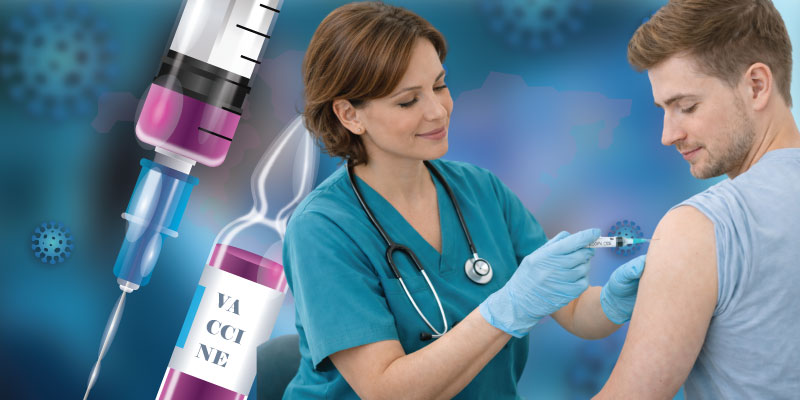
Who Should Get the HPV Vaccine and When
HPV vaccination is recommended primarily for adolescents and young adults.
Typical recommendations include:
- Routine vaccination between ages 9 and 12
- Catch up vaccination for teenagers and young adults who missed earlier doses
Vaccination is most effective before exposure to HPV, which is why it is recommended during early adolescence.
Vaccine Schedule and Effectiveness
The vaccination schedule varies depending on age.
- Ages 9 to 14 usually receive two doses
- Ages 15 and older typically receive three doses
Research shows that HPV vaccination significantly reduces infection from high risk HPV types that can lead to cervical cancer.
HPV Vaccination Myths vs Facts
Myth: HPV vaccination encourages early sexual activity.
Fact: Research does not show a link between vaccination and behavioral changes.
Myth: Screening is unnecessary after vaccination.
Fact: Screening remains important because vaccines do not protect against every HPV type.
Myth: HPV vaccines are unsafe.
Fact: Vaccines undergo extensive safety monitoring and have strong safety records worldwide.
Regular Screening Tests and Early Detection
Screening is another essential component of cervical cancer prevention. Screening allows doctors to detect abnormal cervical cells before they develop into cancer.
Early detection significantly improves treatment outcomes.
Pap Smear Test: What It Does
A Pap smear test examines cervical cells under a microscope to identify abnormal changes.
This screening method has played a major role in reducing cervical cancer rates in many healthcare systems.
HPV Test: Why It’s Important
The HPV test identifies high risk HPV infections that may cause cervical cancer.
Doctors may use the HPV test together with the Pap test to improve detection accuracy.
When to Start Screening and How Often
Screening recommendations may vary slightly by healthcare system, but general guidance includes:
- Begin screening around age 21.
- Continue screening at regular intervals.
- Follow a schedule recommended by a healthcare provider.
Routine screening ensures abnormal cells are detected early.
Screening Choices for Women Ages 30 to 65
Women in this age group may have several screening options:
- Pap test alone
- HPV test alone
- Combined HPV and Pap testing
These approaches help identify cervical abnormalities earlier and improve prevention outcomes.
What Happens After an Abnormal Result
If screening detects abnormal cells, doctors may recommend additional evaluation such as:
- Repeat screening tests
- Colposcopy examination
- Biopsy of cervical tissue

Early treatment of abnormal cells can prevent progression to cervical cancer.
Lifestyle Factors That Can Help Prevent Cervical Cancer
Although HPV infection is the primary cause, certain lifestyle choices may influence cervical cancer risk.
Helpful preventive practices include:
- Avoiding tobacco use
- Practicing safe sexual health behaviors
- Maintaining routine healthcare visits
- Following recommended vaccination and screening schedules
These habits support overall cervical health and strengthen prevention efforts.
Cervical Cancer Prevention Checklist
Individuals can reduce their risk by following a simple prevention plan.
- Receive the HPV vaccine when recommended
- Attend regular cervical screening appointments
- Follow medical guidance after abnormal test results
- Maintain healthy lifestyle habits
- Stay informed about reproductive health
Combining these steps provides the strongest protection against cervical cancer.
Conclusion
Cervical cancer prevention relies on a combination of vaccination, screening, and early medical intervention. The HPV vaccine protects against the virus types responsible for most cervical cancer cases, while routine screening tests identify abnormal cells before they become cancerous.
By understanding how to prevent cervical cancer and following recommended vaccination and screening guidelines, individuals can significantly reduce their risk and improve long term health outcomes.
Read also about Targeted therapy for Cancer
Frequently Asked Questions
Can cervical cancer be completely prevented?
Cervical cancer cannot always be completely prevented, but HPV vaccination and regular screening greatly reduce the risk.
How effective is the HPV vaccine at preventing cervical cancer?
HPV vaccines protect against virus types responsible for most cervical cancer cases and significantly reduce infection risk.
Are there side effects of the HPV vaccine?
Most cervical cancer prevention shot side effects are mild and temporary. They may include soreness at the injection site, fatigue, or mild fever.
If precancerous changes are found, can cervical cancer still be prevented?
Yes. Treating precancerous cervical cell changes can prevent them from developing into cervical cancer.
At what age should cervical cancer prevention start?
Prevention begins with HPV vaccination during adolescence. Cervical screening generally begins around age 21.

MDForLives is a global healthcare intelligence platform where real-world perspectives are transformed into validated insights. We bring together diverse healthcare experiences to discover, share, and shape the future of healthcare through data-backed understanding.