
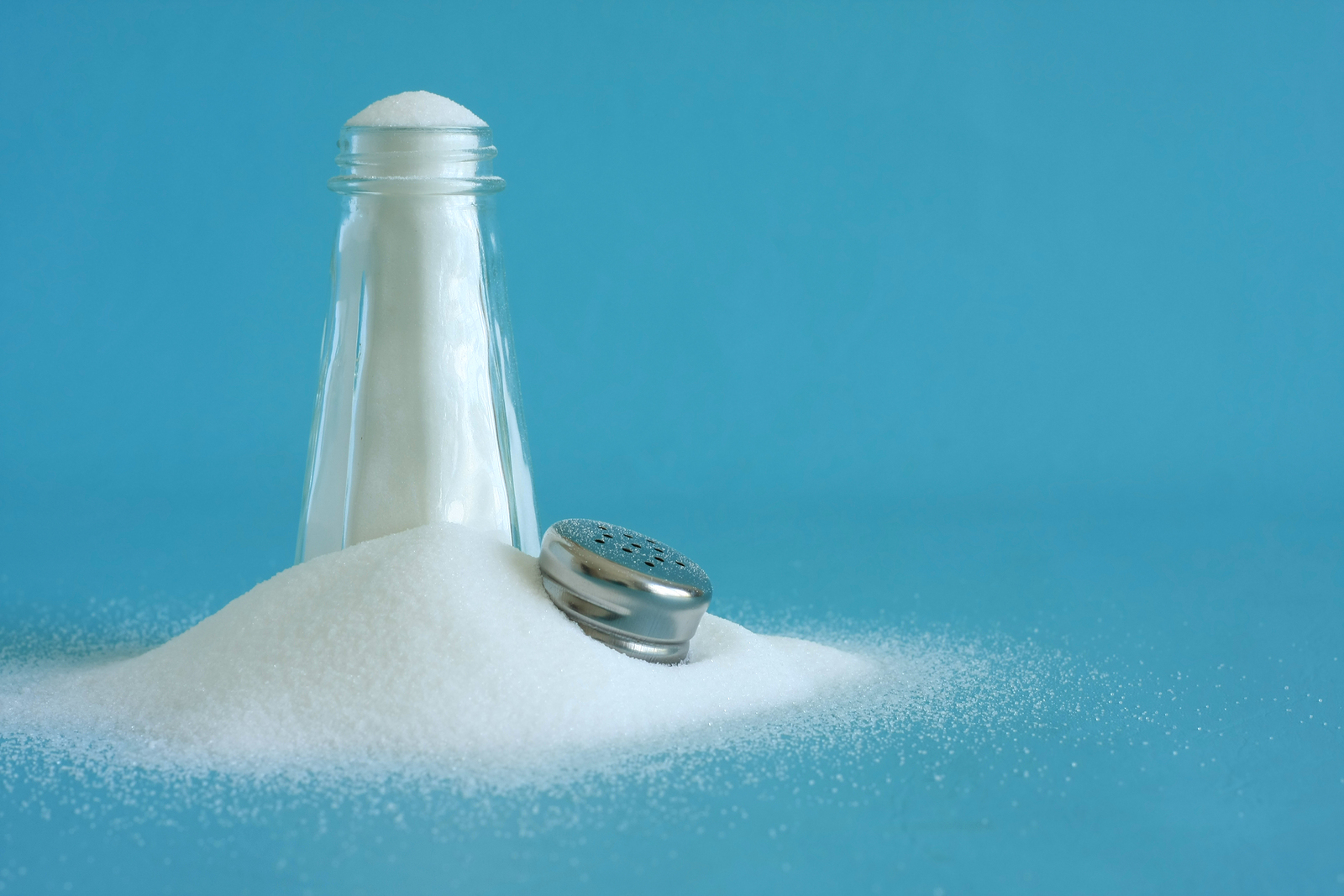

Salt and diabetes are closely linked through their impact on metabolic health and cardiovascular risk. While salt does not directly raise blood sugar levels, excessive sodium intake has been associated with increased risk of developing type 2 diabetes and worsening complications in people already diagnosed.
Emerging evidence suggests that higher sodium intake may influence insulin resistance, blood pressure, and kidney health, all of which are critical in diabetes management. Understanding the relationship between sodium and diabetes helps individuals make more informed dietary choices.
What Is the Relationship Between Salt and Diabetes?
Salt, or sodium chloride, plays an essential role in fluid balance and nerve function. However, excessive intake can disrupt metabolic processes.
Current research indicates that higher sodium consumption is associated with:
- increased insulin resistance
- higher risk of developing type 2 diabetes
- greater likelihood of hypertension
Although salt does not directly spike glucose levels, its indirect effects on metabolism make it relevant in diabetes care.
Why Sodium Matters in Diabetes
Sodium intake is particularly important for people with diabetes because of its role in cardiovascular health.
Key concerns include:
- elevated blood pressure
- increased strain on blood vessels
- higher risk of heart disease
People with diabetes already face a higher risk of cardiovascular complications, making sodium control an important part of long-term management.
How Salt Intake May Increase Diabetes Risk
Several mechanisms may explain the link between sodium and diabetes risk.
Insulin Resistance
High sodium intake has been associated with reduced insulin sensitivity, which can contribute to the development of type 2 diabetes.
Hormonal Regulation
Excess sodium may influence hormones that regulate blood pressure and metabolism, indirectly affecting glucose control.
Lifestyle Correlation
High salt intake often accompanies processed food consumption, which may also be high in unhealthy fats and calories.
Key insight:
Salt itself may not cause diabetes directly, but it is strongly linked to patterns that increase risk.
Find out – is cocoa good for diabetics
How Salt Affects People With Diabetes
For individuals with diabetes, sodium intake can influence overall disease management.
Blood Pressure Control
High sodium intake can worsen hypertension, a common comorbidity in diabetes.
Kidney Function
Excess sodium increases strain on the kidneys, which are already vulnerable in diabetic patients.
Fluid Balance
Sodium affects fluid retention, which can impact cardiovascular health.
Managing sodium intake supports better overall disease control.
Recommended Salt Intake for People With Diabetes
Most health guidelines recommend limiting sodium intake to less than 2,300 mg per day, with lower targets for individuals with hypertension.
For people with diabetes:
- reducing sodium intake can help manage blood pressure
- lower intake may reduce risk of complications
- personalized recommendations should be discussed with healthcare providers
Foods High in Salt That Diabetics Should Limit
Many high-sodium foods are common in modern diets.
Common High Sodium Food
Examples include:
- processed and packaged foods
- canned soups and vegetables
- fast food and restaurant meals
- salty snacks such as chips and crackers
- processed meats
These foods often contain hidden sodium, making awareness essential.
Find out – what happens if a diabetic drinks too much alcohol
Low-Sodium Diet for Diabetes
A low-sodium diet focuses on whole, minimally processed foods.
Recommended choices include:
- fresh vegetables and fruits
- whole grains
- lean proteins
- home-cooked meals
Using herbs and spices instead of salt can enhance flavor without increasing sodium intake.
Salt and Diabetes Complications
Excess sodium intake can contribute to complications in diabetes.
Cardiovascular Disease
High sodium intake increases blood pressure and heart disease risk.
Kidney Disease
Diabetes is a leading cause of kidney disease, and excess sodium can accelerate damage.
Stroke Risk
Elevated blood pressure increases the likelihood of stroke.
Reducing sodium intake helps lower these risks.
Salt Intake in Special Populations
Elderly Patients With Diabetes
Older adults may be more sensitive to sodium and require stricter intake control.
People With Prediabetes
Reducing sodium intake early may support better metabolic health.
Patients With Kidney Disease
Low-sodium diets are often recommended to reduce kidney strain.
Role of Healthcare Professionals in Managing Sodium Intake
Healthcare professionals play a key role in guiding patients.
Responsibilities include:
- educating patients about sodium sources
- providing personalized dietary recommendations
- monitoring blood pressure and kidney function
- supporting long-term lifestyle changes
Structured guidance improves adherence and outcomes.
Tips for Reducing Salt in a Diabetes-Friendly Diet
Practical strategies include:
- reading food labels carefully
- choosing low-sodium alternatives
- cooking at home more frequently
- limiting processed foods
- using herbs and spices for flavor
Small changes can significantly reduce overall sodium intake.
Salt vs Sugar in Diabetes: Which Matters More?
Both salt and sugar play important roles in diabetes management.
- sugar directly affects blood glucose levels
- salt influences cardiovascular and metabolic risk
Key takeaway:
Sugar has an immediate impact on blood glucose, while salt contributes to long-term complications.
Both should be managed carefully.
Read here about Living with Diabetes and Management
Common Myths About Salt and Diabetes
Does Salt Raise Blood Sugar?
No. Salt does not directly increase blood glucose levels.
Is Salt Good for Diabetics?
Salt is necessary in small amounts, but excessive intake can be harmful.
Does Sodium Affect Blood Sugar?
Sodium does not directly affect glucose, but it influences overall metabolic health.
Understanding these distinctions helps avoid confusion.
Conclusion
Salt and diabetes are connected through complex metabolic and cardiovascular pathways. While sodium does not directly raise blood sugar, excessive intake can increase the risk of complications and may contribute to the development of type 2 diabetes.
Managing sodium intake through informed dietary choices, professional guidance, and lifestyle adjustments supports better long-term health outcomes for individuals with diabetes.
Read also about Ertugliflozin for Diabetes
Explore MDForlives for More Healthcare Insights
Discover global healthcare insights from professionals shaping modern medicine.
Frequently Asked Questions
Can a low-sodium diet help control diabetes?
A low-sodium diet supports blood pressure control and reduces complication risk, which is important for overall diabetes management.
Are salt substitutes safe for diabetics?
Some salt substitutes may contain potassium, which may not be suitable for individuals with kidney disease. It is important to consult a healthcare provider before use.





4 Comments
Guillain Barre Syndrome: Can surgery be a precursor to cure or is it risky?
5 years ago[…] syndrome (GBS) is an autoimmune disorder affecting the peripheral nervous system (1) and resulting in muscle weakness, and in […]
The Childhood Diabetes And Sugar Addiction | MDforLives
5 years ago[…] can lead to the development of diabetes, most children and adolescents have either type 1 or type 2 diabetes mellitus […]
Trick or Treat: The Correlation of Childhood Diabetes and Sugar Addiction - MDForLives
5 years ago[…] can lead to the development of diabetes, most children and adolescents have either type 1 or type 2 diabetes mellitus […]
Can surgery be a precursor to Guillain-Barre Syndrome? - MDForLives
5 years ago[…] syndrome (GBS) is an autoimmune disorder affecting the peripheral nervous system (1) and resulting in muscle weakness, and in […]