

Ertugliflozin is an oral antidiabetic medication used for the management of type 2 diabetes mellitus (T2DM) in adults. As a sodium–glucose cotransporter-2 (SGLT2) inhibitor, ertugliflozin lowers blood glucose levels by promoting urinary glucose excretion rather than increasing insulin secretion. Clinical trials and real-world evidence suggest that ertugliflozin not only improves glycaemic control but may also contribute to weight reduction and cardiovascular and renal protection. This article provides a comprehensive overview of ertugliflozin uses, mechanism of action, safety profile, dosage, side effects, and recent clinical evidence.
What Is Ertugliflozin?
Ertugliflozin is a selective SGLT2 inhibitor approved for the treatment of adults with type 2 diabetes mellitus. It works at the level of the kidneys, targeting glucose reabsorption rather than pancreatic insulin production. This insulin-independent mechanism makes ertugliflozin particularly valuable for patients who do not achieve adequate glycaemic control with lifestyle modification or first-line therapies alone.
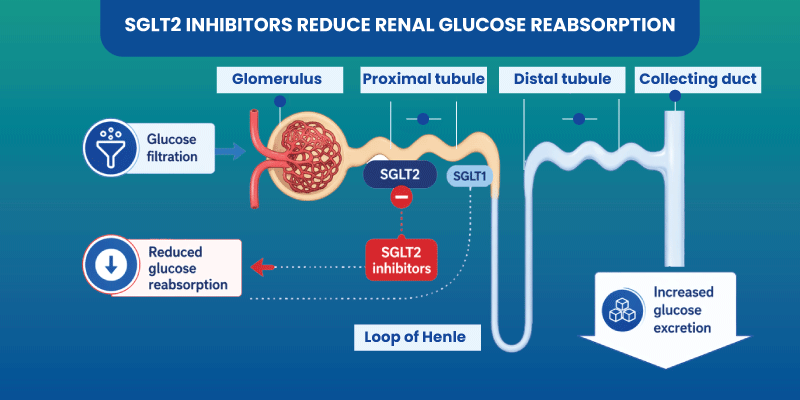
In individuals with T2DM, excess glucose is filtered by the kidneys and reabsorbed back into the bloodstream. Ertugliflozin blocks this process, allowing glucose to be excreted in the urine, thereby lowering plasma glucose levels. Because its action does not rely on beta-cell function, ertugliflozin can be effective across different stages of disease progression.
Uses of Ertugliflozin Tablet – Indications and Usage
Ertugliflozin is indicated as an adjunct to diet and exercise to improve glycaemic control in adults with type 2 diabetes mellitus. Its flexibility allows it to be used in multiple therapeutic settings.
Monotherapy
Ertugliflozin may be prescribed alone in patients who are unable to tolerate metformin or have contraindications such as gastrointestinal intolerance or renal concerns that limit metformin use.
Combination Therapy
Ertugliflozin tablets are commonly used in combination with other antidiabetic agents, including:
- Metformin
- DPP-4 inhibitors such as sitagliptin
- Insulin (with caution)
Combination therapy targets multiple pathophysiological mechanisms of diabetes, improving overall glycaemic outcomes while minimizing insulin dose escalation.
Mechanism of Action – How Ertugliflozin Works
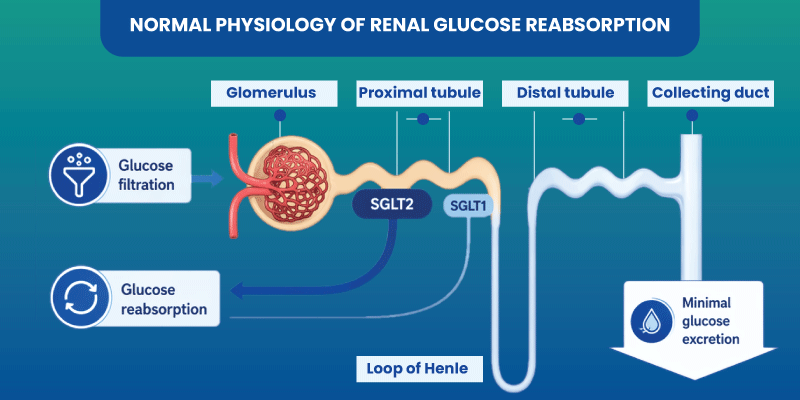
Ertugliflozin inhibits the sodium–glucose cotransporter-2 (SGLT2) protein located in the proximal renal tubules. Under normal physiological conditions, SGLT2 is responsible for reabsorbing approximately 90% of filtered glucose back into circulation.
By blocking this transporter:
- Renal glucose reabsorption is reduced
- Excess glucose is excreted through urine
- Plasma glucose levels decline
This mechanism results in:
- Lower fasting and postprandial glucose levels
- Reduced insulin demand
- Caloric loss contributing to modest weight reduction
Beyond glycaemic control, SGLT2 inhibition leads to osmotic diuresis and natriuresis, which may explain observed reductions in blood pressure and cardiovascular stress.
Ertugliflozin Advantages and Disadvantages
Potential Advantages
- Insulin-independent glucose lowering
- Low intrinsic risk of hypoglycaemia
- Modest but consistent weight loss
- Reduction in systolic blood pressure
- Potential cardiovascular and renal protective effects
- Once-daily oral dosing improves adherence
Potential Disadvantages
- Increased risk of genital mycotic infections
- Volume depletion and hypotension in susceptible patients
- Risk of diabetic ketoacidosis (rare but serious)
- Higher cost compared with older oral agents
Read also about Bariatric Surgery for Weight Loss
Safety Advice (Contraindications)
Ertugliflozin should not be used in:
- Patients with type 1 diabetes mellitus
- Individuals with a history of diabetic ketoacidosis
- Patients with severe renal impairment or end-stage renal disease
- Individuals on dialysis
Warnings and Precautions
Clinicians should exercise caution in patients with:
- Moderate renal impairment
- Low blood pressure or dehydration
- Elderly patients at risk of falls
- Concurrent use of diuretics
Patients should be educated on recognizing symptoms of dehydration, hypotension, and ketoacidosis, even when blood glucose levels appear normal.
Interaction With Drugs
Ertugliflozin may interact with:
- Diuretics (enhanced volume depletion)
- Insulin or insulin secretagogues (increased hypoglycaemia risk)
- Antihypertensive medications (additive blood pressure lowering)
Dose adjustments and careful monitoring may be required when used alongside these agents.
Ertugliflozin Side Effects (Adverse Reactions)
Common Side Effects
- Female genital mycotic infections
- Urinary tract infections
- Increased urination
- Dizziness or lightheadedness
- Mild hypotension
Less Common but Serious Effects
- Diabetic ketoacidosis
- Acute kidney injury
- Severe dehydration
Most adverse reactions are manageable with patient education, hydration, and early intervention.
How to Use Ertugliflozin? (Dosage & Administration)
- Recommended starting dose: 5 mg once daily
- Maximum dose: 15 mg once daily
- Can be taken with or without food
- Dose adjustments may be required based on renal function
Patients should follow prescribing physician instructions and avoid abrupt discontinuation without medical advice.
Overdosage
There is limited clinical experience with ertugliflozin overdose. In suspected cases:
- Provide supportive care
- Monitor renal function and hydration
- Consider glucose and ketone monitoring
Quick Tips (Handling & Disposal)
- Store at room temperature, away from moisture
- Do not use expired tablets
- Dispose of unused medication according to local pharmaceutical waste guidelines.
Ertugliflozin for the Treatment of Type 2 Diabetes
Ertugliflozin plays an important role in modern diabetes management by addressing hyperglycemia through renal pathways. Its benefits extend beyond glucose lowering, supporting weight control and cardiovascular risk reduction, key concerns in long-term diabetes outcomes.
Read also about Diabetes Tech Management
Ertugliflozin’s Recent Studies & Clinical Trials
The VERTIS clinical trial program evaluated ertugliflozin as monotherapy and in combination therapy. Results demonstrated:
- Significant reductions in HbA1c
- Improvements in fasting plasma glucose
- Weight and blood pressure reduction
More recent cardiovascular outcome analyses suggest neutral to beneficial effects on major adverse cardiovascular events, with ongoing research exploring renal protection in high-risk populations. These findings support ertugliflozin’s role as part of a comprehensive diabetes management strategy.
Conclusion
Ertugliflozin is a well-established SGLT2 inhibitor offering effective glycaemic control with additional metabolic and cardiovascular benefits. Its insulin-independent mechanism, once-daily dosing, and expanding evidence base make it a valuable option for adults with type 2 diabetes. As with all antidiabetic therapies, individualized treatment decisions and ongoing clinical monitoring remain essential.
Help improve diabetes care through real-world insights. Sign up for MDForLives surveys