Work-related stress and anxiety are increasingly common across industries, affecting productivity, mental health, and overall quality of life. As work environments evolve, pressure, workload, and expectations continue to rise, making it essential to understand how stress develops, how it presents, and how it can be managed effectively.
What is Work-Related Stress and Anxiety?
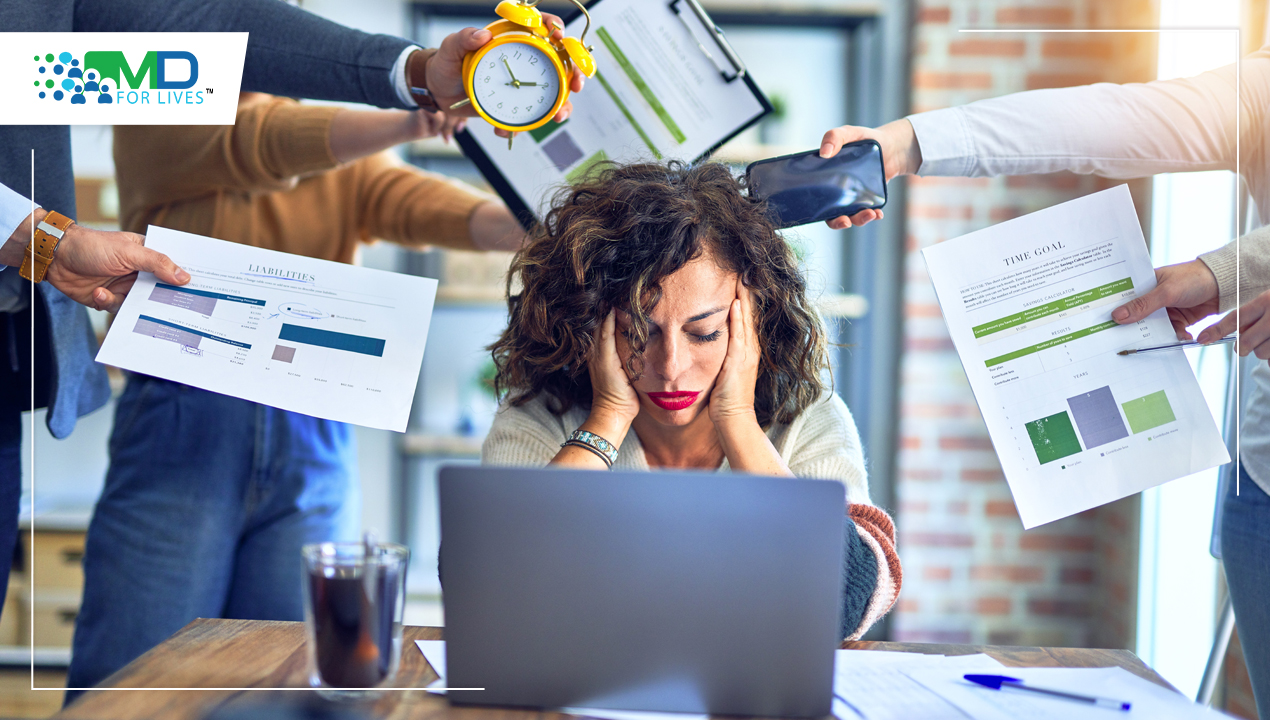
Work-related stress and anxiety refer to the emotional and physical responses that occur when job demands exceed an individual’s ability to cope. While short-term stress can improve focus, prolonged exposure leads to fatigue, reduced performance, and long-term health risks.
Anxiety in the workplace often involves persistent worry, fear of failure, or difficulty managing tasks, even in routine situations.
Key Statistics About Workplace Stress
Workplace stress is not an isolated issue.
- A significant percentage of professionals’ report experiencing stress on a regular basis
- Chronic stress is linked to reduced productivity and increased absenteeism
- Anxiety-related conditions are among the leading causes of workplace impairment
These trends highlight the need for structured interventions.
Read also about Mental Health in Digital Age
Causes of Work-Related Stress and Anxiety
Job Demand Factors
High workload, unrealistic deadlines, and constant pressure to perform contribute directly to stress levels. When expectations exceed capacity, individuals experience sustained strain.
Organizational Factors
Lack of clarity in roles, limited growth opportunities, and inadequate support systems create uncertainty. Organizational culture plays a critical role in either reducing or amplifying stress.
Interpersonal Factors
Workplace relationships influence emotional well-being. Conflicts, lack of communication, or poor team dynamics can increase anxiety levels.
Environmental Factors
Physical workspace conditions such as noise, overcrowding, or lack of flexibility affect stress levels. Remote work environments can also introduce isolation and blurred boundaries.
Personal Risk Factors
Individual differences such as coping ability, past experiences, and personality traits influence how stress is perceived and managed.
Symptoms of Work-Related Stress and Anxiety
Early Warning Signs
Recognizing early signs helps prevent escalation.
- Difficulty concentrating
- Irritability or mood changes
- Fatigue despite adequate rest
- Reduced motivation
Severe Symptoms
If unmanaged, symptoms may intensify.
- Persistent anxiety or panic episodes
- Sleep disturbances
- Physical symptoms such as headaches or muscle tension
- Reduced work performance
These signs indicate the need for intervention.
Effects of Work Stress on Health
Chronic workplace stress affects both mental and physical health.
It can contribute to cardiovascular issues, weakened immune response, and long-term psychological conditions. Mental health effects include burnout, anxiety disorders, and depression.
For a deeper perspective on healthcare-related burnout, refer to: Healthcare Worker Burnout.
How to Deal with Stress and Anxiety at Work
Managing stress requires a structured approach rather than isolated actions.
- Break tasks into manageable steps
- Prioritize work based on urgency
- Take short, regular breaks
- Maintain clear boundaries between work and personal time
- Practice relaxation techniques such as breathing exercises
Consistency in these practices leads to gradual improvement.
Treatment Options for Workplace Anxiety
When self-management is not sufficient, structured treatment options are available.
- Cognitive behavioral therapy to address thought patterns
- Medication in clinically diagnosed cases
- Stress management programs
- Workplace counseling support
Treatment should be tailored to individual needs and severity.
When to Seek Professional Help
Professional support is necessary when symptoms interfere with daily functioning.
Indicators include:
- Persistent anxiety affecting work performance
- Physical symptoms without clear cause
- Difficulty maintaining routine responsibilities
Early intervention improves outcomes.
Prevention of Workplace Stress
For Employees
Preventive strategies focus on maintaining balance.
- Set realistic expectations
- Develop time management skills
- Maintain regular physical activity
- Build support networks
Check about Risk of Physical Inactivity
For Employers / Organizations
Organizations play a critical role in reducing workplace stress.
- Promote healthy work environments
- Encourage open communication
- Provide access to mental health resources
- Ensure reasonable workload distribution
Effective policies reduce long-term risk.
Read also about AI for Mental Health.
Special Considerations
High-Risk Professions
Certain professions, such as healthcare and emergency services, face higher levels of stress due to workload intensity and responsibility.
Work-from-Home Stress
Remote work introduces unique challenges, including lack of boundaries and social isolation. Managing schedules and workspace structure becomes essential.
Caregiver Stress + Work Overlap
Balancing professional responsibilities with caregiving roles increases stress levels. Structured planning and support systems are necessary.
Conclusion
Work related stress and anxiety are manageable with the right combination of awareness, structured strategies, and support systems. Identifying early signs, addressing root causes, and implementing preventive measures are key to maintaining both productivity and well-being. Long-term management requires consistency rather than short-term fixes.
Explore more evidence-led healthcare insights: MDForLives
Frequently Asked Questions
Can therapy help with workplace anxiety?
Yes. Therapy, particularly cognitive behavioral approaches, can help individuals manage anxiety and develop effective coping strategies.
What are the first signs of work-related stress and anxiety?
Early signs include difficulty concentrating, irritability, fatigue, and reduced motivation.
Is it normal to feel anxious before work every day?
Occasional anxiety is normal, but persistent daily anxiety may indicate underlying stress that requires attention.

MDForLives is a global healthcare intelligence platform where real-world perspectives are transformed into validated insights. We bring together diverse healthcare experiences to discover, share, and shape the future of healthcare through data-backed understanding.