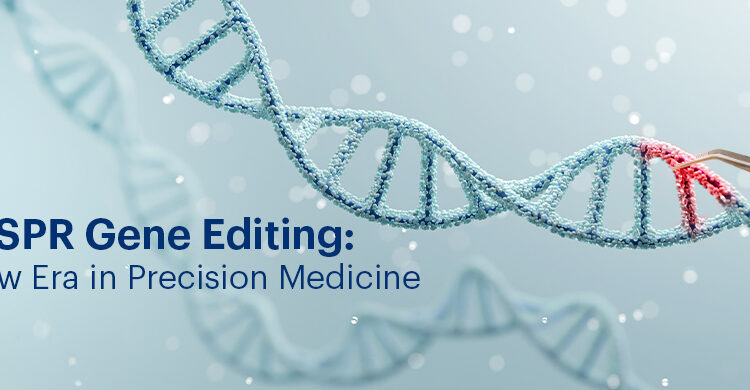
Gene therapy is redefining how diseases are treated by targeting the underlying genetic cause rather than managing symptoms. It enables correction, replacement, or regulation of defective genes, offering a shift from chronic treatment to potentially curative approaches. As clinical applications expand, understanding how it works and what to expect becomes essential.
What is Gene Therapy?
Gene therapy involves introducing, removing, or modifying genetic material within a patient’s cells to treat disease. Instead of relying on drugs that act on symptoms, it addresses the root cause at a molecular level.
The approach is used primarily for inherited disorders, certain cancers, and rare conditions where conventional therapies offer limited benefit.
Why Gene Therapy Matters Today
The relevance of gene therapy has increased due to advances in molecular biology and genomic sequencing. Diseases that were previously considered untreatable now have targeted interventions in development or clinical use.
It also aligns with the broader shift toward precision medicine, where treatment is tailored based on individual genetic profiles.
History of Gene Therapy
Gene therapy has evolved through multiple phases.
Early research focused on experimental interventions with limited success. Over time, improvements in vector design and delivery methods have increased both safety and effectiveness.
Recent approvals of gene-based treatments mark a transition from experimental science to clinical reality.
Gene Therapy Clinical Applications
Current Gene Therapy Trials
Ongoing trials are exploring applications across oncology, hematology, and neurological disorders. Many focus on rare diseases with defined genetic causes.
Regulatory Environment (FDA, EMA, etc.)
Regulatory agencies have established pathways for evaluating gene-based treatments. Accelerated approval processes are often used for therapies targeting severe or rare conditions.
Diseases Treated, Examples of Therapies
Gene therapy is being applied in multiple areas:
- Inherited retinal disorders
- Spinal muscular atrophy
- Hematological conditions such as sickle cell disease
- Certain cancers through cell-based therapies
These applications demonstrate its expanding clinical relevance.
Read also about Hurler’s syndrome gene therapy
How Gene Therapy Works
The process involves delivering genetic material into target cells using vectors, often modified viruses.
Once delivered, the new genetic material can:
- Replace a defective gene
- Inactivate a malfunctioning gene
- Introduce a new function
The success of the therapy depends on efficient delivery and sustained gene expression.
Benefits & Potential of Gene Therapy
Gene therapy offers distinct advantages over traditional treatments.
| Benefit | Impact |
| Targeted approach | Addresses root cause of disease |
| Long-term effect | Reduces need for repeated treatment |
| Precision | Minimizes off-target effects |
Its potential lies in transforming chronic disease management into one-time or limited interventions.
Gene Therapy Real-World Impact — Patient Expectations & Outcomes
In clinical settings, outcomes vary depending on disease type and timing of intervention.
Patients receiving gene therapy may experience:
- Improvement in disease symptoms
- Stabilization of progression
- Reduced dependence on ongoing medication
However, expectations must be managed, as not all conditions respond uniformly.
Safety, Risks, Limitations, Long-Term Effects
Short-Term Safety Issues
Immediate risks include immune reactions to delivery vectors and localized side effects.
Long-Term Risks & Unknowns
Long-term effects are still being studied. Concerns include durability of response and unintended genetic changes.
Ethical Concerns
Gene therapy raises ethical questions around genetic modification, particularly in germline applications. Most current therapies focus on somatic cells to avoid heritable changes.
Access & Cost Considerations
Pricing Challenges & Barriers
Gene therapy treatments are among the most expensive medical interventions due to complex development and manufacturing processes.
Coverage & Reimbursement Issues
Insurance coverage varies, and reimbursement models are still evolving to accommodate one-time high-cost treatments.
Access in Different Countries
Availability differs globally, with access often limited in low-resource settings. This creates disparities in treatment availability.
Gene Therapy From a Healthcare Professional Lens
Role of Physicians & Genetic Counselors
Healthcare professionals play a central role in identifying suitable candidates, explaining risks, and guiding treatment decisions.
HCP Knowledge & Attitudes Towards Gene Therapy
Adoption depends on awareness and training. As therapies become more common, healthcare professionals must stay updated on evolving evidence.
Ethical, Social & Policy Issues
Beyond clinical use, gene therapy introduces broader concerns.
- Equity in access
- Regulation of emerging technologies
- Public understanding of genetic interventions
Policy frameworks are evolving to address these issues.
Future of Gene Therapy, Developments & Research
Research is focused on improving delivery systems and expanding applications.
Key directions include:
- Enhanced vector design
- Broader disease targeting
- Combination with other therapies
These developments aim to improve safety, accessibility, and effectiveness.
Read also about Eye Gene Therapy
Conclusion
Gene therapy represents a shift toward addressing diseases at their genetic origin. While challenges remain in cost, access, and long-term safety, its clinical impact is already visible. As research advances, it is likely to become a central component of modern treatment strategies.
Explore more evidence-led healthcare insights: MDForLives
Frequently Asked Questions
What is the success rate of gene therapy?
Success varies by condition, but many therapies show strong clinical outcomes in targeted diseases.
Is gene therapy the same as genetic editing?
No. Gene therapy typically introduces or modifies genes, while gene editing involves precise alteration of DNA sequences. Read about CRISPR Gene Editing
Is gene therapy available for blindness?
Yes. Certain inherited retinal conditions are currently treated using gene-based approaches.
What are the long-term side effects of gene therapy?
Long-term effects are still under study, but include potential durability issues and immune responses.
What diseases can be cured by gene therapy?
Some inherited disorders and rare conditions show strong response, though outcomes depend on disease type.

MDForLives is a global healthcare intelligence platform where real-world perspectives are transformed into validated insights. We bring together diverse healthcare experiences to discover, share, and shape the future of healthcare through data-backed understanding.